The Blooming Joy Journal
5 Beautiful Summer Flowers to Grow for Drying
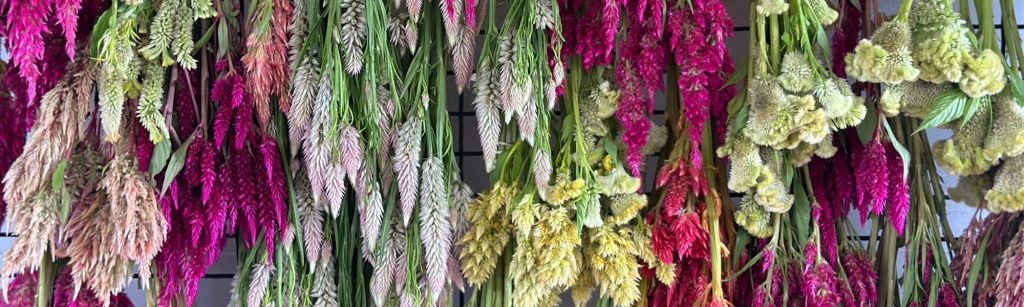
There is something truly special about preserving summer flowers to enjoy long after they fade. I first discovered my love for dried flowers one winter as I was planting an amaryllis planter. It can take a few weeks for the Amaryllis to start growing and I looked at my small dried flower collection and thought "What if I decorate the planter with the dried flowers to make it beautiful while I wait for the Amaryllis to bloom?" I did just that and completely fell in love with dried flowers and wanted to learn everything I could about them for more creations in the future!
Whether you're new to drying flowers or looking to add more to your collection, these five summer blooms are not only easy to grow but also dry beautifully!
Disclaimer: This blog post contains affiliate links and I may make a small commission when you purchase through them at no additional cost to you. Thank you!

1. Celosia
Celosia is a true workhorse in the garden and in dried arrangements. With its velvety plumes or crested cockscomb shapes, this flower adds bold texture and interest.
Why it’s great for drying:
Celosia holds its color and shape exceptionally well, making it one of the top choices for dried floral work.
When to plant and harvest:
Direct sow seeds after your last frost. Harvest when the blooms are fully developed and vibrant, but before they begin to set seed and fade.
How to dry:
Strip the leaves and hang the stems upside down in a dry, dark place with good airflow.
Design tip:
Celosia adds drama and structure to dried bouquets and looks stunning in fall wreaths.

2. Gomphrena
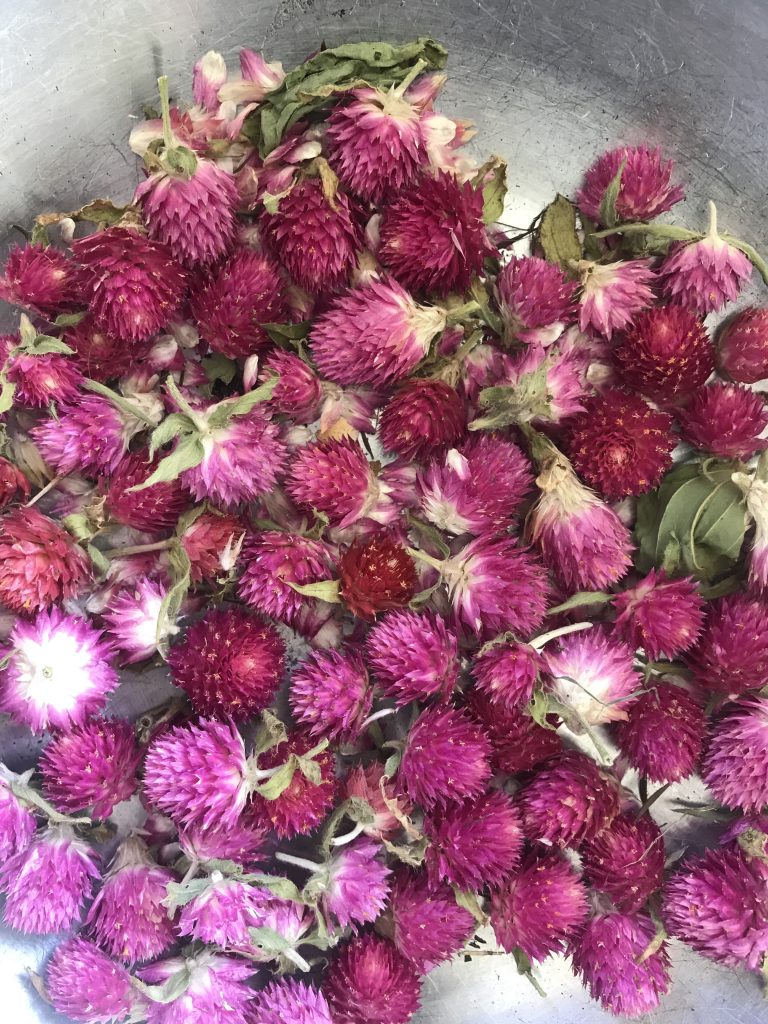
Also known as globe amaranth, Gomphrena is a cheerful little flower that holds its color and round shape perfectly when dried.
Why it’s great for drying:
These globe shaped blooms come in shades of pink, purple, white, and orange and last for months without fading.
When to plant and harvest:
Gomphrena loves heat, so plant it after the danger of frost has passed. Harvest when blooms are fully opened and firm.
How to dry:
Strip the foliage and hang the stems in small bundles upside down until completely dry.
Design tip:
Perfect for small arrangements, boutonnieres, or dried flower garlands.
3. Strawflower
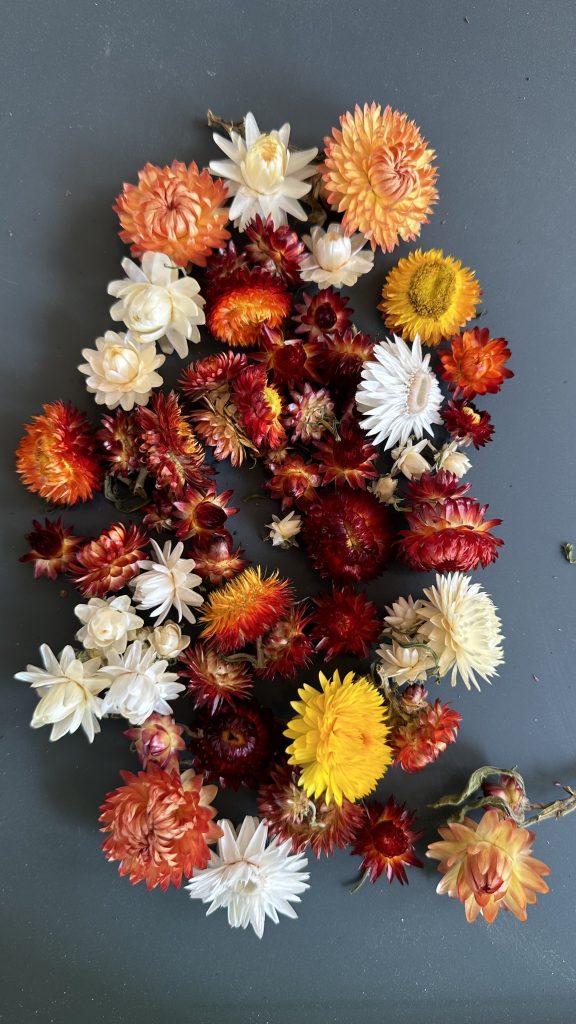
Strawflower is practically made for drying! It is the classic dried flower! Its papery petals feel like they're already dried when fresh and retain their shape and color perfectly when dried.
Why it’s great for drying:
These blooms come in a rainbow of colors (pinks, whites, oranges, reds, yellows) and hold up incredibly well for months, even years (I have dried strawflower that is 3 years old and still looks perfect!)
When to plant and harvest:
Start indoors 8 weeks before last frost and transplant outside about 4 weeks before last frost date. If you are reading this and it is after you last frost date, buy transplants from your local garden center! Harvest when the flower fully has 2 to 3 petals lifted but the center is not fully open.
How to dry:
Hang upside down in a dry, dark area or use flower drying racks for air circulation.
Design tip:
A classic dried flower, Strawflowers are stunning in dried floral arrangements and fall and winter wreaths. They are perfect for dried flower pumpkins too!
4. Zinnia
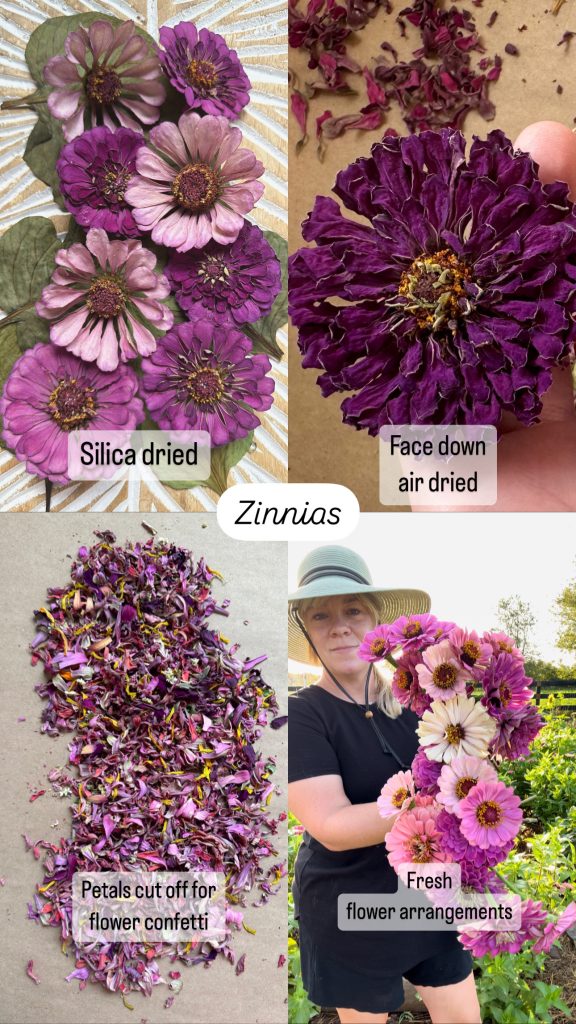
While not all zinnias dry perfectly, many varieties retain their bold color and unique petal shape well enough to use in dried floral work.
Why it’s great for drying:
Zinnias are easy to grow, come in endless colors, and can provide vibrant pops of color in dried bouquets.
When to plant and harvest:
Direct sow or transplant after frost. Harvest when the petals are fully open and firm to the touch.
How to dry:
For best results, use silica gel to retain the best color and shape of Zinnias or hang the flowers upside down in a dark place. Petals may shrink slightly, so experiment with different types.
Design tip:
Use dried zinnias to add volume and color to your fall dried wreaths and flower crowns.
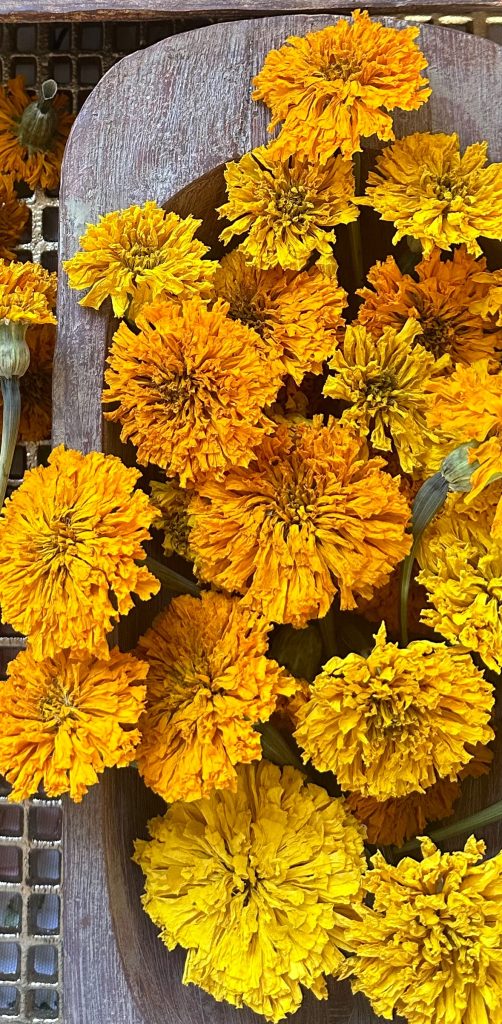
5. Marigolds
Marigolds aren’t just great for pest control in the garden, they’re also vibrant when dried and extremely versatile!
Why it’s great for drying:
Their bright orange and yellow blooms hold up and retain color well, and the earthy scent is a nice bonus.
When to plant and harvest:
Plant after the last frost and harvest when blooms are fully open and vibrant.
How to dry:
Remove all leaves and dry flower heads on screens or hang small bunches upside down.
Design tip:
Perfect for floral garlands, potpourri blends, or herbal bundles. They add a warm, sunny glow to any dried piece.
Tips for Drying Flowers Successfully
Choose a dry, dark (or just out of direct sunlight), and well-ventilated space.
Always remove leaves before drying to prevent mold.
Bundle stems loosely to allow for airflow.
Use silica gel or flower presses for more delicate blooms if needed.
Bring the Garden Indoors, All Year Long
Dried flowers are a beautiful reminder of the garden's gifts and can brighten up your home even in the cold winter. Whether you’re crafting wreaths, building bouquets, or just want to enjoy your flowers a little longer, these five summer favorites are sure to shine.
Shop the flowers mentioned today: Celosia, Marigolds, Strawflower, Gomphrena and Zinnias. Use code BLOOMINGJOY for 5% off Botanical Interests orders!