The Blooming Joy Journal
Fall Gardening for Cut Flowers: My Seasonal Routine
This blog post contains affiliate links where I may make a small commission when you purchase through the links, at no additional cost to you. Thank you for helping me grow my cut flower growing blog!
Fall Prep for a Spring Cut Flower Garden
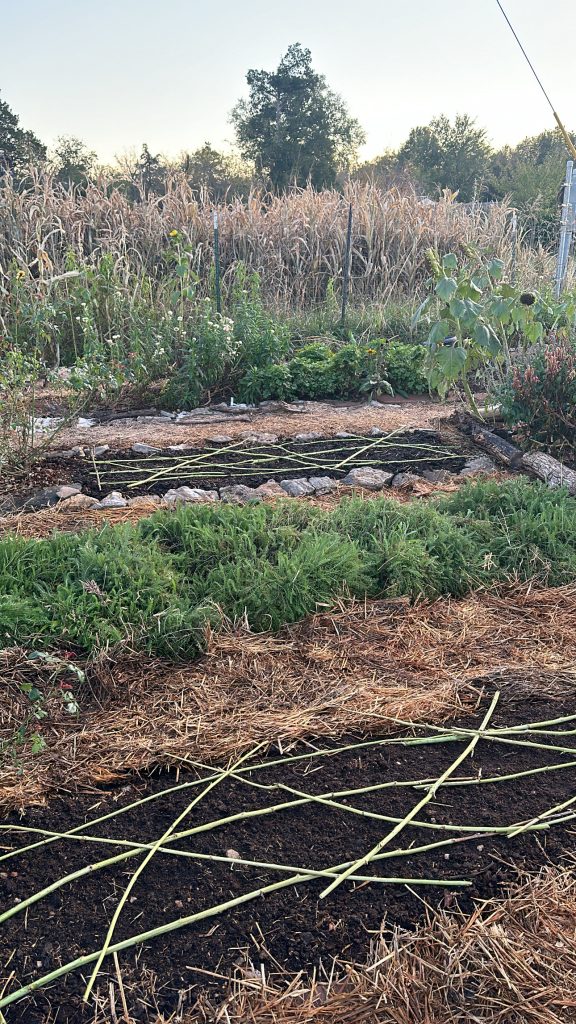
As the sun sets behind the spent strawflowers and dried corn, the freshly flipped flower beds rest under a fresh layer of compost. To most, this might look like the garden is finished for the year but when it comes to growing cut flowers, fall isn’t the end of the growing season. I'd argue it may be the busiest time of the year!
It truly is the beginning of the next beautifully blooming chapter. I grow in the Middle Tennessee area (zone 7) and we are able to continue to plant into the fall and winter for Spring blooms. Why would we even do this? It makes for more abundant Spring flowers!
This image captures a stunning moment in my fall flower garden. It might not look glamorous with flowers in bloom everywhere, but there is so much purpose in this stage.
Here's what I'm doing now, why it matters, and how you can take inspiration from this season of quiet transformation.
1. The Transition from Summer to Fall
Fall is the season of winding down but also gearing up at the same time. The showy blooms of summer may be fading, but behind the scenes, I'm already laying the groundwork for next year.
I'm removing spent plants, saving seeds, sowing seeds, amending the soil, and prepping beds. Fall gives us the chance to reset, build nourishing soil and plant with intention for early spring blooms.
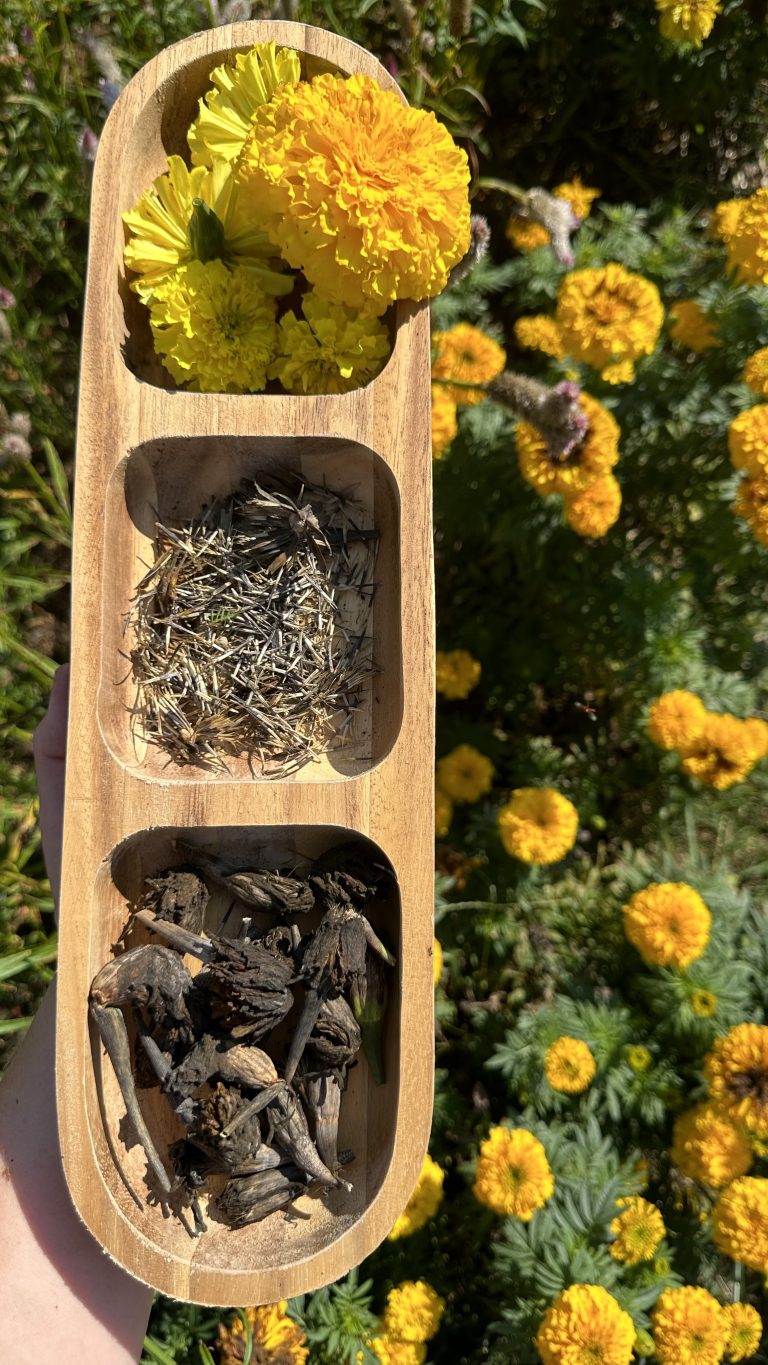
One of my favorite cut flower growing tasks in the fall is collecting seed. Fall is a great time of year to collect marigold, celosia, basil, zinnia, strawflower and sunflower seeds for next year.
2. Soil Prep and Bed Building
In the image, you’ll notice dark soil surrounded by rocks and well aged hay pathways. These beds have been cleared, composted, and are being prepped for fall planting.
My favorite way to build the soil through the winter is to cut the old summer annual plants at ground level and leave the roots in the ground. By leaving the roots in the ground, the beneficial microbes underground munch on the roots all winter and in turn will help build nutrient rich soil.
You might also notice the long stalks criss-crossed over the bed. Those are flower stems saved and reused as an animal deterrent. More specifically, I am trying to keep any free range chickens from digging in this bed. The more open space they see, the more they want to scratch up the dirt!
No waste, just creative reuse straight from the garden. This video shows a quick glimpse of how I flip a cut flower bed.

3. Sowing Cut Flower Seeds
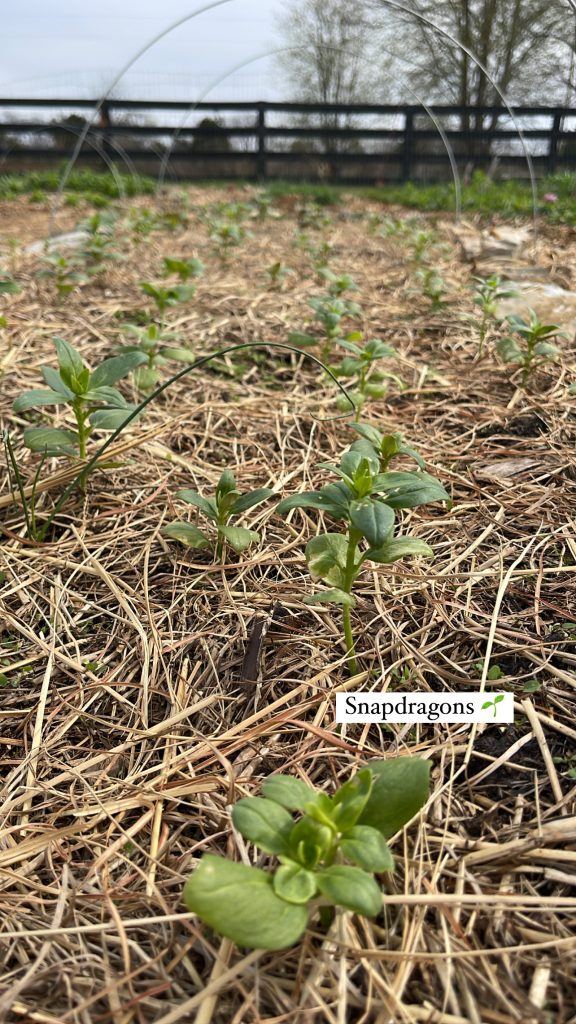
Fall is a powerful planting season. While it may seem counterintuitive, many flowers thrive when planted now and allowed to establish roots before winter. Here in Tennessee, I define fall planting as late September, October and early November. I am sowing many seeds during that time period.
Some of my favorite fall-direct sown flower seeds include:
These cold hardy flowers will sprout and grow slowly all winter and burst with blooms come Spring. For a detailed list of all of the flowers I start by seed and transplant outside plus direct sow in the fall, check out my cut flower monthly Seed Starting Schedule e-book.

4. Planting Bulbs for Cut Flowers
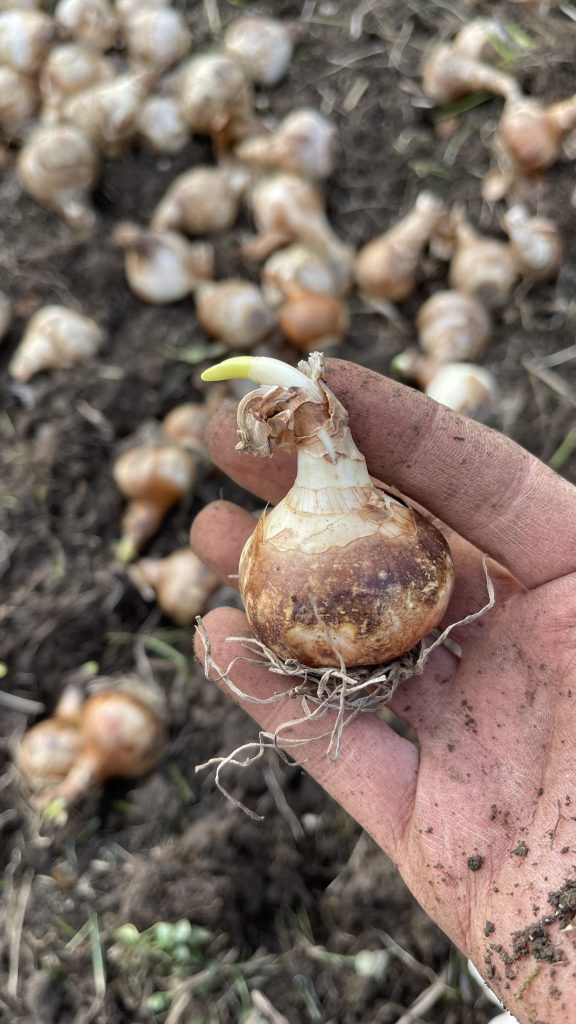
Fall is prime bulb planting time for many of the Spring favorite flowers! Daffodils are my favorite perennial bulb the plant. As the years go by, the bulb multiplies and gives you many flowers! You will also see these bulbs sold at garden centers during this time of year so make sure you buy some to plant!
Tulips are another cut flower spring favorite. The bulbs need to be in the cool ground all winter to flower well the next spring. I aim to start planting mine late November here in Tennessee when the ground has cooled.
I also cannot resist planting Hyacinth bulbs just for me to enjoy the following Spring. There is nothing like smelling a beautiful hyacinth bloom in early Spring after a long, gloomy winter.
5. Mulching and Protecting the Beds
Straw and well rotted hay mulch plays a big role in my fall garden. It helps suppress weeds, retain moisture, protect young seedlings, keeps the ground slightly warmer and even adds organic matter back into the soil as it breaks down.
When I am direct sowing seeds, I wait to put the mulch on after the seeds germinate so growth is not inhibited by mulch. When I am transplanting, I like to lay the straw mulch down first and transplant into that.
It also signals that the garden is being tucked in much like pulling up a cozy blanket before winter. This will help protect the soil and plants in their long winters nap!
6. Gathering Frost Protection Tools
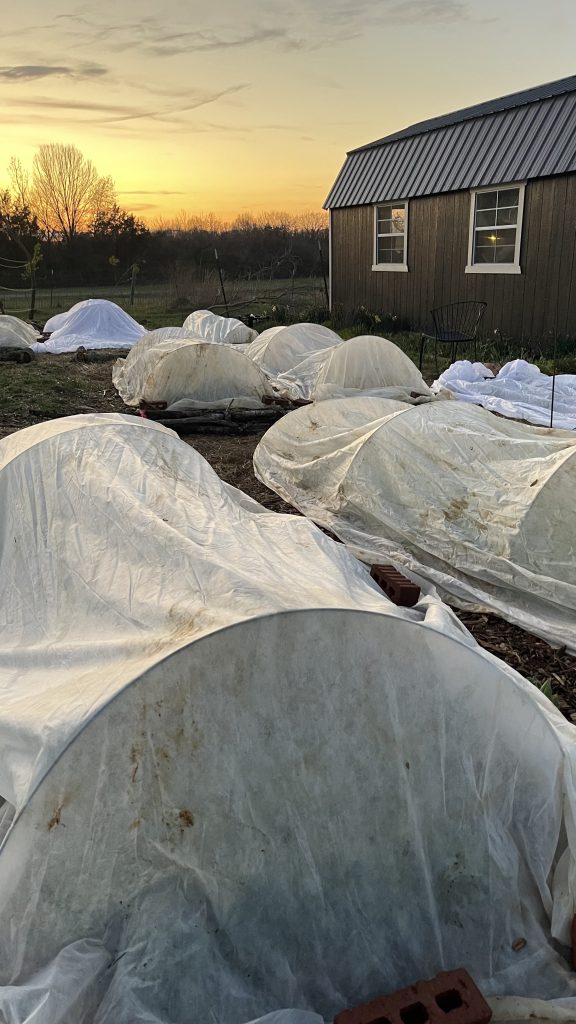
As temperatures begin to dip, I take time in the fall to apply low hoops and have frost cloth ready to protect young seedlings. Even hardy annuals benefit from a bit of protection during unexpected cold snaps or harsh wind.
I use gauge wire hoops (that I custom cut) over my beds and keep frost cloth close by so I can easily cover the rows when a freeze is in the forecast. I grow in middle Tennessee and I am not trying to keep heavy winter snow loads off. If you live somewhere that does, you would need a more sturdy set up.
I use this frost cloth over my crops that is in my 'Garden Supplies and Tools' list. It does well in our Tennessee winters. For extra cold days, below 20 degrees, I'll add extra layers of frost cloth for more warmth.
Fall is also when I make sure I have all my winter supplies stocked. I use a mixture of different things to hold down frost cloth from bricks to rocks. Some like to use sandbags too.
I also make sure I have enough frost cloth to cover each bed of flower varieties that really need the protection. Being prepared now means I’m not scrambling later when the weather shifts quickly, and it gives my fall-sown blooms the best possible start.
7. Designing with Spring in Mind
Every step I take in the fall garden is with spring in mind. From the flower varieties I choose, to the way I space and shape the beds. Spring bouquets truly start right here in the fall and it has been game changer to learn how to grow this way.
Fall prep is one of the best ways to get a head start on next year’s blooms. The time you spend now will reward you with earlier, healthier flowers when the season warms back up.
If you are new to growing cut flowers, try the 3 flower varieties I mention above in your fall garden. I call them 'tough as nails' plants because they go through cold winters like a champ.
8. What this Season Teaches Me
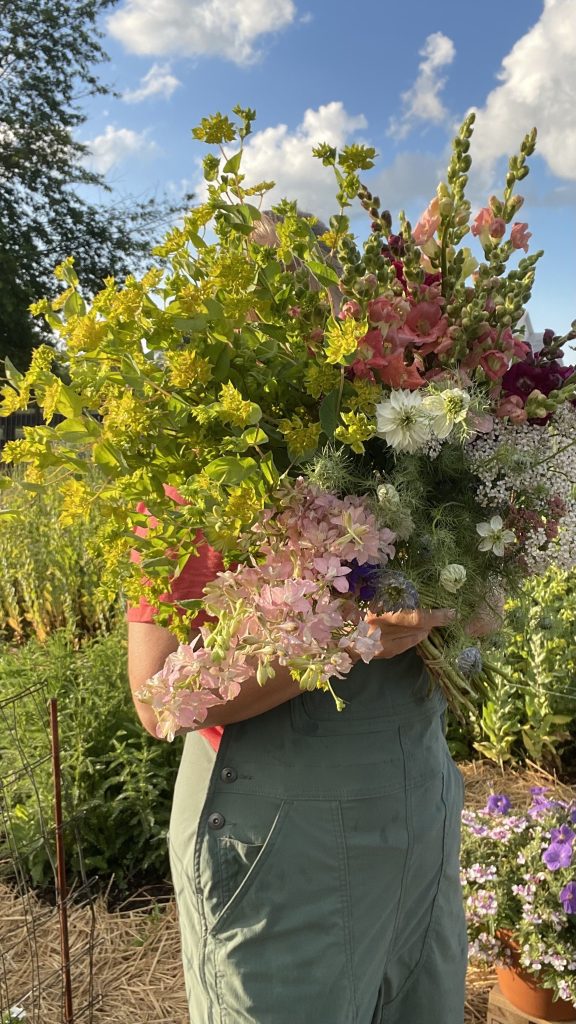
Fall teaches me that beauty begins in stillness of the season and that progress isn’t always visible. Sometimes the most productive work happens underground, in the dark, while the world slows down.
The fall garden is where next Spring's story begins and I’m so grateful to be part of its unfolding.
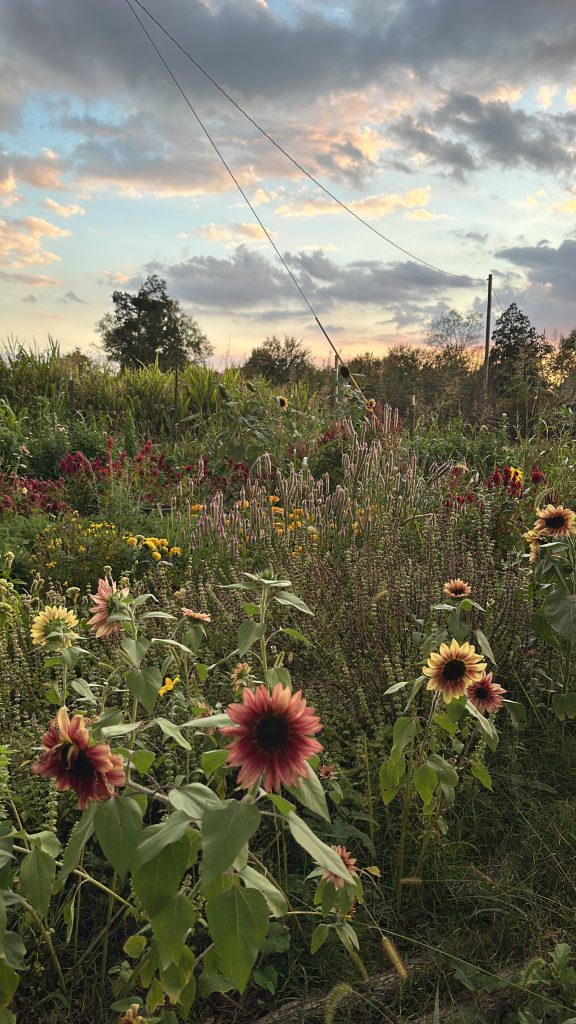
Fall is the perfect time to reflect on this years garden. What went well? What didn't? What flowers would you plant again and what doesn't make the cut? Fall is also a great time to study up on growing cut flowers.
Ready to try your hand at planting cut flowers this fall? I always encourage to start small, keep it simple and watch yourself grow from there. I'd love to know what you will be planting this fall!