The Blooming Joy Journal
Field to Flower Bed: The Journey of Perennial Plants
Behind the Blooms: A Perennial Plants Journey
If you've ever strolled through the garden center in Spring, you know the beautiful sight: bench after bench of potted plants in bloom just waiting to be picked and brought home to your garden. Have you ever wondered how those plants began their journey to get to that point?
The life of a perennial plant can evolve in a variety of ways whether it's started by seed, propagated through cuttings, in a lab through tissue culture, greenhouse grown or it could be grown in a field and harvested at the perfect time.

The Beginning: Perennials in the Field
I had the opportunity to visit Walters Gardens in Michigan to see the entire process of growing perennial plants at a large scale. The purpose is to supply garden centers and other wholesale customers with high quality perennial plants that will eventually be for your garden and other landscaped spaces.
They took me to their production fields with beautiful masses of plants that were being grown for wholesale orders. These plants will eventually be dug up and become bare roots or plant plugs that will be shipped to customers.
In the photo above, I am standing in the 'Pink Profusion' Salvia field. It was absolutely as dreamy as the photo looks! I couldn't help but think that one day all of these plants will live in gardens and other landscapes. How exciting!
These plants get to grow and bloom just like they do in your garden but eventually they will be dug up at the perfect stage, processed appropriately and shipped at their ideal time for garden centers and other wholesale customers.
Shipping Out: From Bare to Bloom
Usually, the best time to dig up a perennial is when it is dormant and not actively blooming. A plant wholesaler will dig up and produce a 'bare root' or 'plug' plant in preparation to ship to a garden center or wholesale customer. A 'bare root' perennial is a plant that has its roots cleared of soil. A plant 'plug' is a small version of the plant usually grown in trays that has been allowed to develop a good root system that's ideal for transplanting.
Gardeners can receive these type of plants too through retail offers. Think of all the mail order bare roots you may have received: bare root roses, bare root peonies, bare root strawberries, bare root trees and asparagus!
Digging bare roots for processing can happen in the fall after the plant has gone dormant, late winter before foliage emerges or early Spring. It depends on the plant and the growing location conditions.
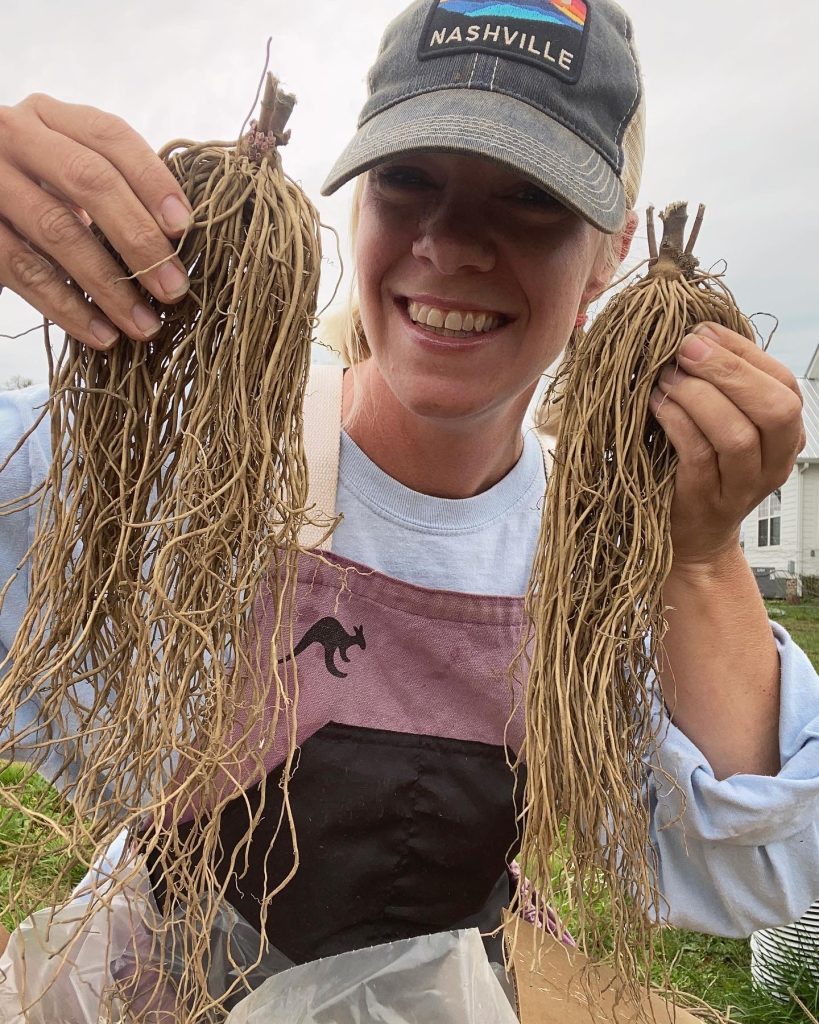
In the photo above, I am holding bare roots of a type of Asclepias, otherwise known as milkweed. These plants are currently dormant and will 'wake up' once planted whether that's in a pot or the ground. These beautiful roots came from Walters Gardens!
Preparing the Perennials for You
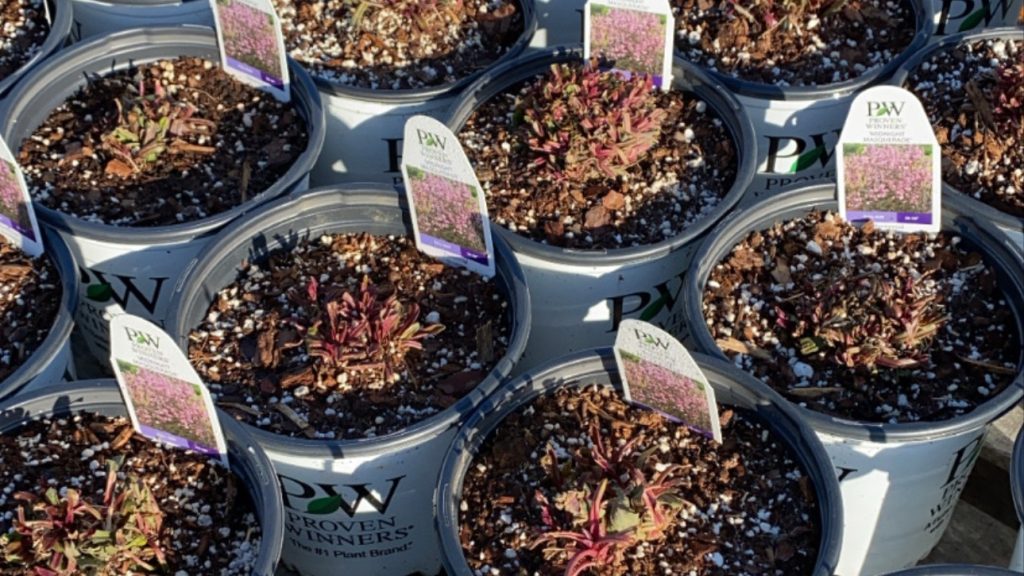
When garden centers order their Spring plants from wholesalers like Walters Gardens, one way they receive them is a plant called a 'bare root'. The garden center plants these bare roots in nursery pots with soil to grow for a period of time. Eventually, the plants will be big enough to offer to customers and possibly be in bloom too as you stroll the garden center.
The photo above in an example of bare roots that were recently planted and the leaves are starting to wake up and bush out.
The Great Garden Center Stroll
Once the potted plant reaches a certain size, the garden center decides it's time to put it on the plant bench for you to buy. A lot of time and care has gone into growing those plants we love to look at on a warm Spring day garden center stroll! We've all come home with an armload of plants, right?!
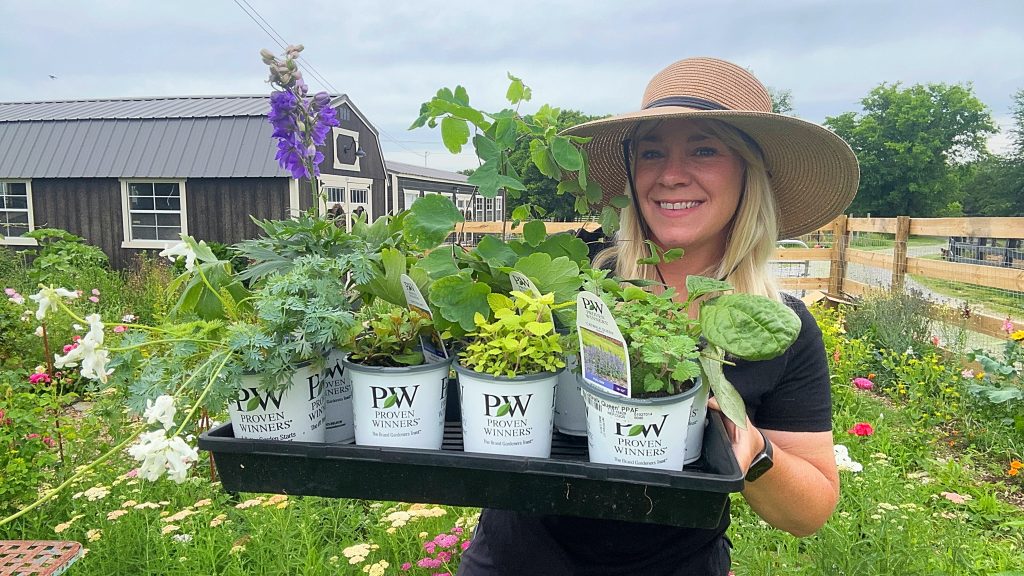
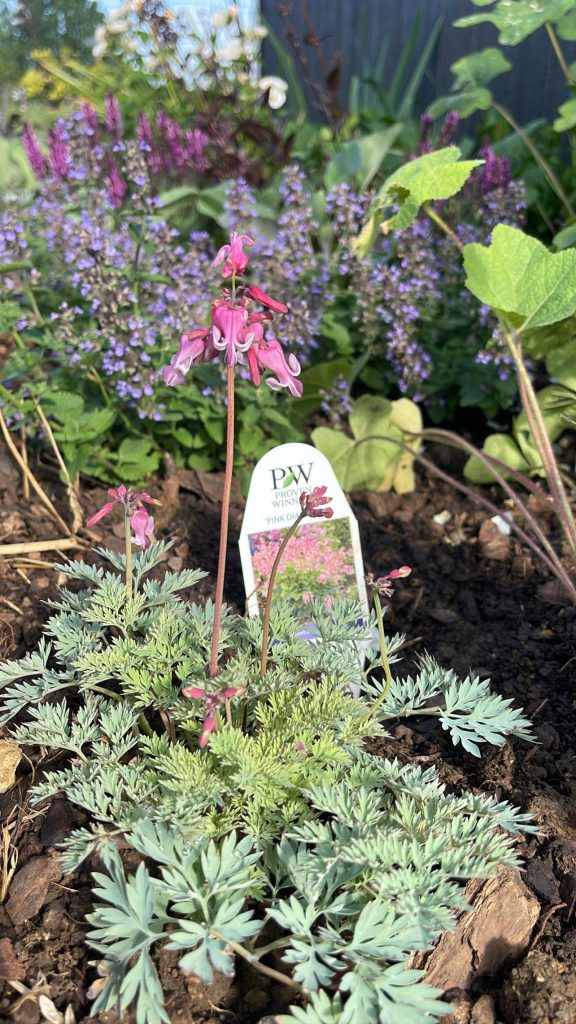
In the photo above, Walters Gardens sent me a beautifully grown assortment of Proven Winners plants to add to my gardens so I could share them with you. I especially love the 'Violets Are Blue' Delphinium that is in bloom on the left!
Planting in the Garden
By the time you bring that perennial plant home, it has gone through a long journey of being grown in a variety of ways to be made available for your gardens.
Now the you have that perennial plant, picking the perfect spot in the garden is always a fun and enlightening task! I feel like I am playing a game of Tetris sometimes. Ha!
Since perennial plants usually come back every year, determining the best placement is an excellent math exercise. How wide will it get? How tall? How much sun does it need? How deep should I dig the hole? These are things we have to consider when planting perennials in our garden.

Since I Love to Talk About Cut Flowers Here....
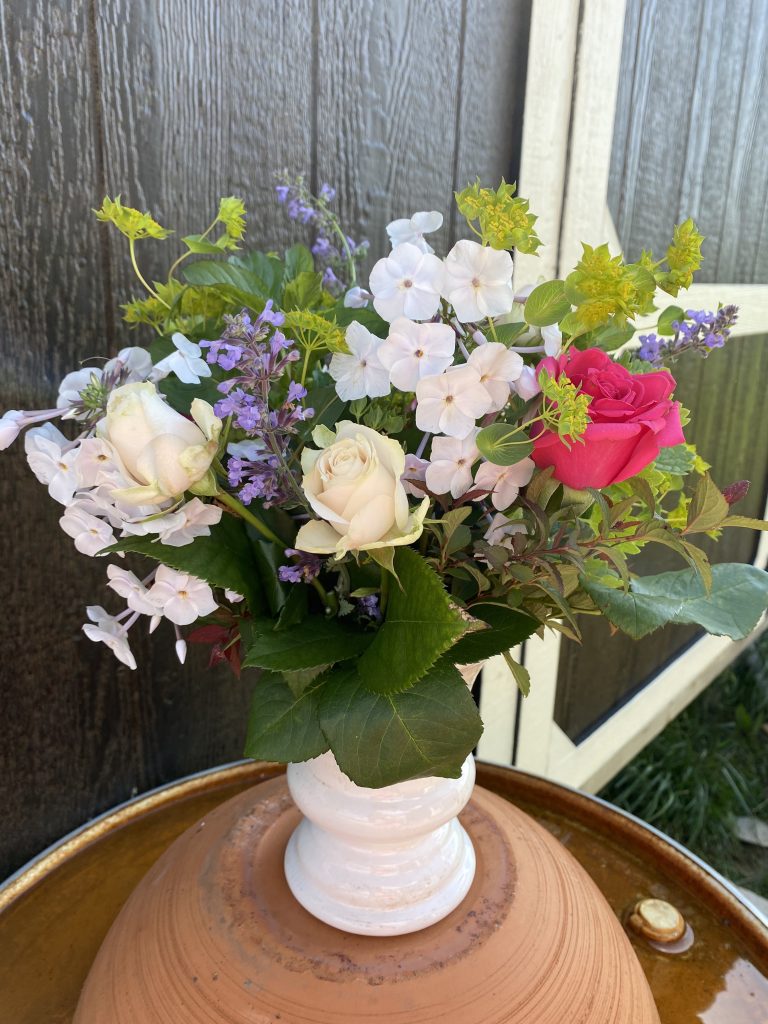
I have many plants that are for garden beauty but I also have other perennial plants that I love to use for cut flower arrangements.
Some of my fav perennial plants to use for cut flowers and foliage are Phlox, Sedum, Baptisia, Nepeta, Penstemon, Peonies, Yarrow and Rudbeckia to name a few....I'm in Zone 7, just outside of the Nashville, TN area for reference.
It is worth noting, it can take a year or two (or three depending on the perennial) for the plant to be big enough to use for cut flowers.
Have you ever heard of the expression for perennial plants: “The first year they sleep, the second year they creep, the third year they leap.”
I've learned this to be very true over the years.
The Bounty of Perennial Plants
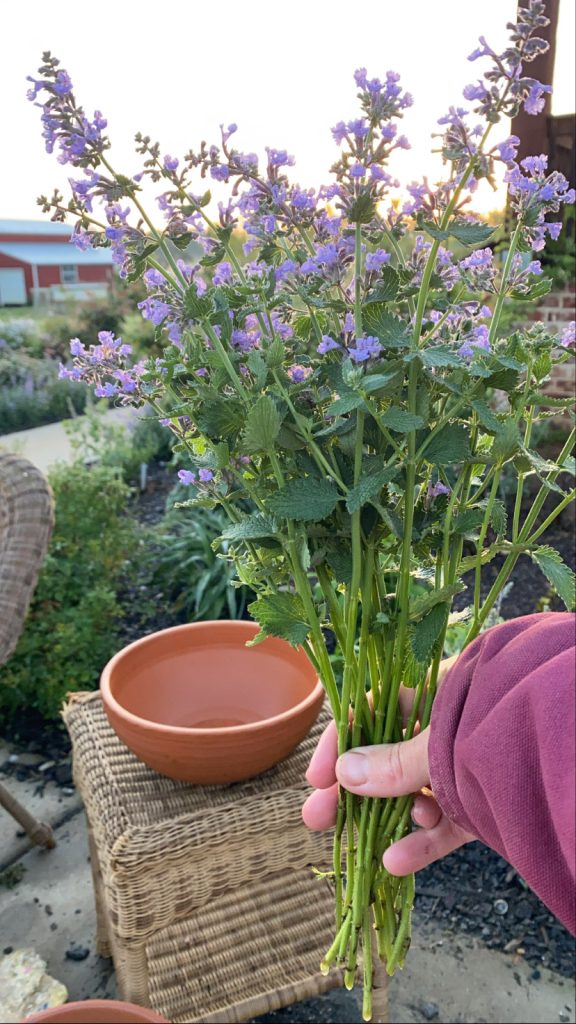
Give a perennial plant a few years and it has the potential to be something truly beautiful. In the photo above, I cut several stems of a type of Nepeta to use for a cut flower arrangement.
If you do want a perennial plant for cut flower purposes, make sure to read the plant tag to see how tall it gets. In the case of nepeta (catmint) above, it comes in very short sizes and much taller sizes. Each type has their own place in the garden.
In the End: From Field to Flower Bed
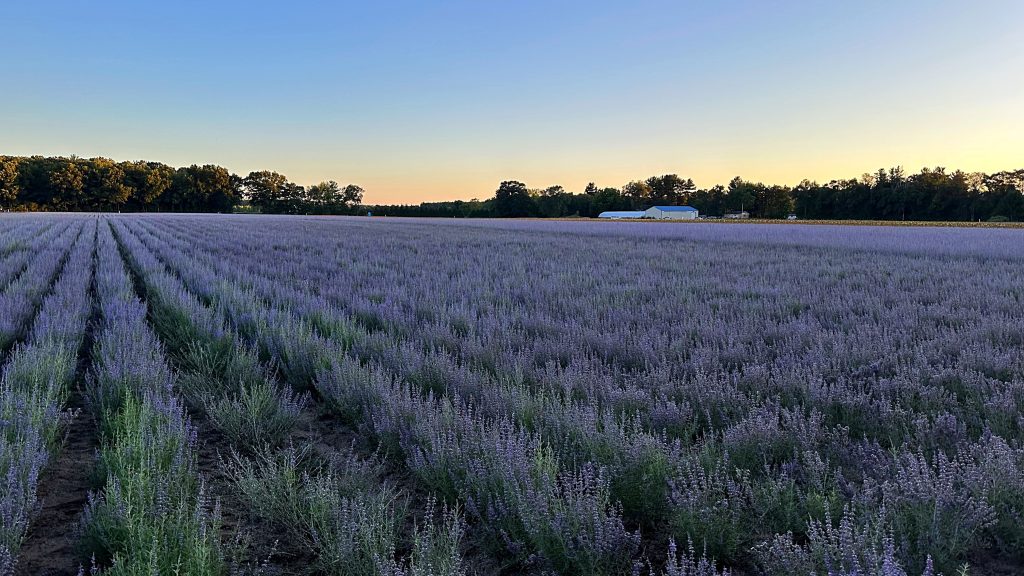
Every perennial you bring home carries a story much bigger than the pot it comes in. In the case of bare root perennials and plugs, it possibly began in rows outside and tended to in the field, much like the photo below of me walking along a Russian Sage field. It was dug up, processed, shipped, and given a new start in a garden center just waiting for you to eventually want it for your garden.
Now, when you tuck that plant into your own soil, you become part of its journey.
It’s an act of patience, hope, reward and a reminder that beauty often takes time. When those blooms finally open in your own flower bed and you experience so much joy, you’ll know you’ve been part of a much bigger story of which one that potentially began in a beautiful field of blooms and the plant eventually found its way to your garden.