The Blooming Joy Journal
How to Design a Beautiful and Productive Cut Flower Garden
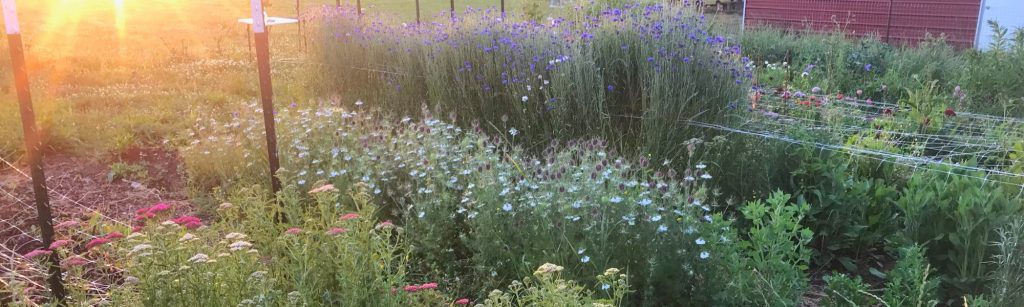
Why Design a Cut Flower Garden?
Designing a cut flower garden is one of the most rewarding things you can do whether you're dreaming of armfuls of blooms for your home, thoughtful gifts for friends, or just a space that sparks joy every time you walk by. Over the years, I’ve learned how to make the most of the space I have, and I’m excited to walk you through the steps so you can design a garden you love too. I’ll also share some of my favorite tools, seeds and products to help you get started.
*Disclosure: This blog may contain affiliate links, which means I may earn a commission if you click/tap on a link and make a purchase. Thank you so much for your support!*
1. Define Your Garden Goals
Before you start sketching out a layout or buying seeds, take a moment to think about your why. Are you growing for fresh bouquets? Dried flowers? Pollinators? Your design and flower choices will flow from these goals.
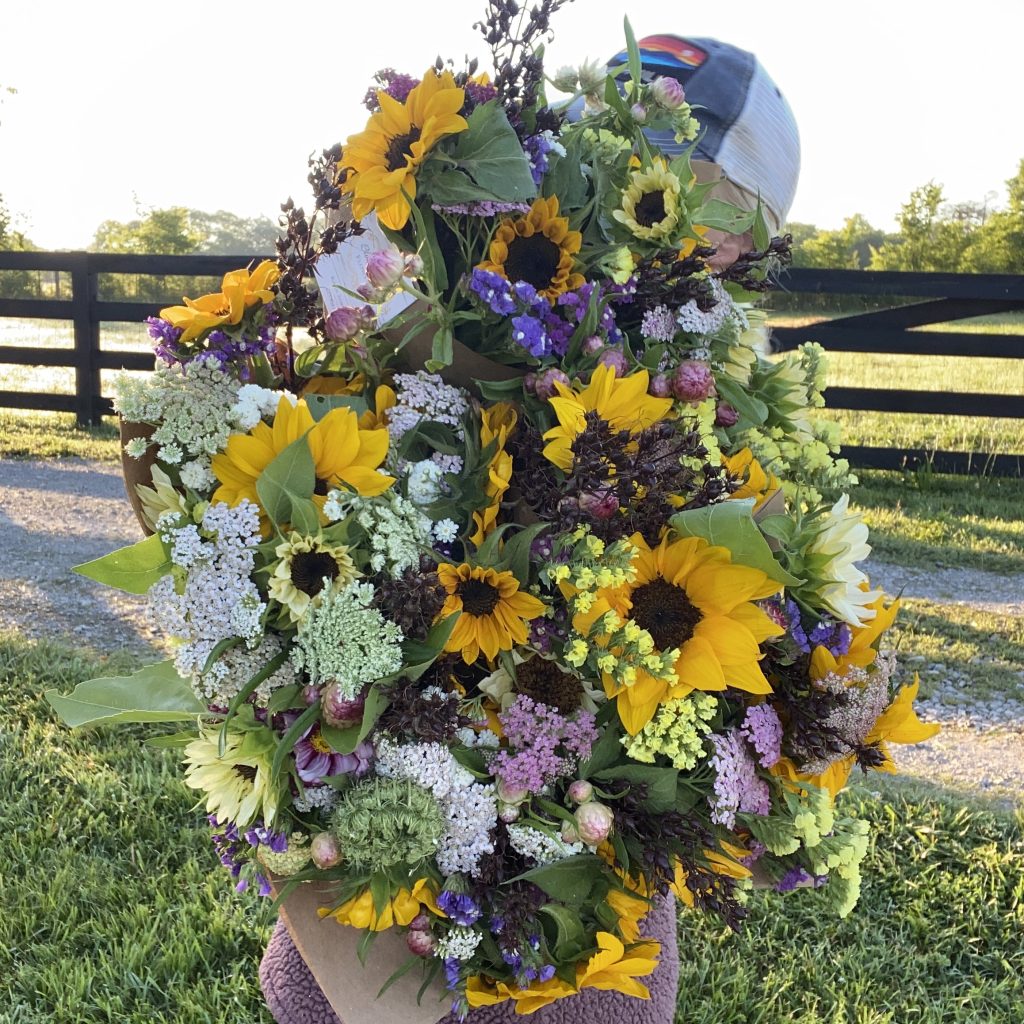
For example, if you’re growing for bouquets, you’ll want a wide range of colors and textures that flow with the season. Choosing 'cut and come again flowers' are a great option for an abundance of flowers for a cutting garden. If you love drying flowers, focus on varieties that dry beautifully and hold their color well. For pollinator gardens, focus on flowers that are known to attract pollinators and be of benefit to them.
Tip: Use a garden planning worksheet to get your ideas down on paper!
Grab my free Beginner Cut Flower Garden E-book with Worksheets!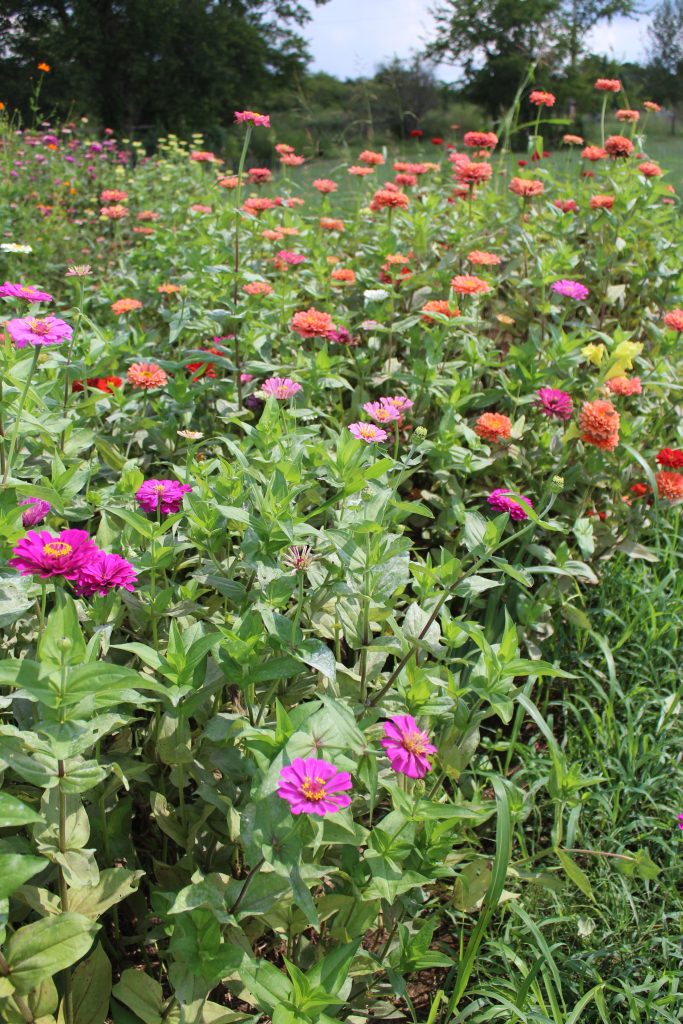
2. Choose the Right Location
Cut flowers thrive in full sun, ideally 6–8 hours a day. Look for a spot with well-drained soil, easy access to water, and protection from harsh winds. Avoid low-lying areas where water tends to pool. Does this spot get visited frequently by wild animals? How easy will this spot be to fence off? These are all things to take into consideration when planning a new cut flower garden spot.

3. Decide on Your Garden Layout
When it comes to layout, there’s no one-size-fits-all, but there are a few tried-and-true options:
Traditional Rows – Great for easy access, planting a lot of crops, and harvesting.
Raised Beds – Ideal for small spaces, less bending over and (sometimes) better drainage.
Container Planting - Ideal for spaces limited with ground space for growing.
Be sure to leave room for paths! Trust me, you’ll thank yourself later when your plants are full and lush! How much to leave us up to you but I like to have at least 3 feet in-between traditional rows. It is amazing how big zinnias can get!

4. Select the Right Flowers
This is the fun part! A mix of focal flowers, fillers, and greenery creates beautiful, balanced bouquets.
Easy Annuals for Beginners:
Long-Lasting Perennials:
Filler & Focal Flowers:
Seasonal Stars:
Tulips and Daffodils in Spring, Dahlias in late Summer/Fall
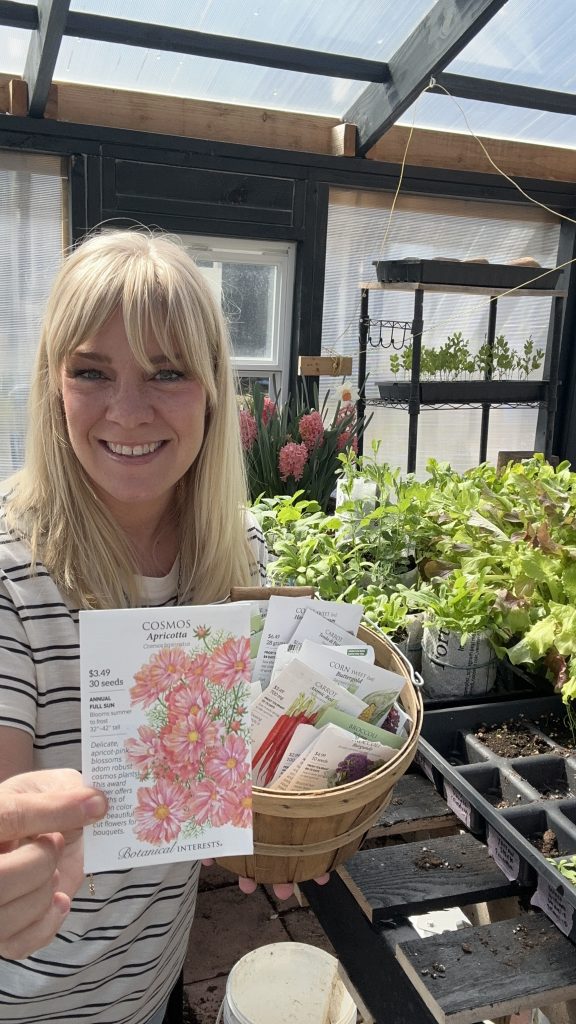
Seed Source I Love: Botanical Interests – for a wide variety of vegetable and cut flowers for your garden!
5. Plan for Succession Planting
Succession planting means planting the same flower in intervals so you always have fresh blooms. For example, sow zinnias every 3-4 weeks in early summer to extend your harvest into fall. Sow later successions with autumn colors for fall bouquets. Many sunflowers are "one cut and done" flowers which means sowing more seeds every 1-2 weeks during the summer till ensure a steady stream of blooms.
My E-book, Seed Starting Schedule for a Cut Flower Garden, gives my exactly monthly sowing schedule for 20 popular Cut Flowers to grow. In the E-book, I share which flowers and how often I am sowing them for an abundance of blooms all season long.

6. Prepare Your Beds
Sowing seeds in loose soil that can be worked. Many of the seeds you will be planting will need 'darkness' to germinate. This means you will be covering the seeds with a bit of soil. Make sure to read the seed packet instruction whether the seed you are sowing likes 'light' or 'darkness' to germinate.
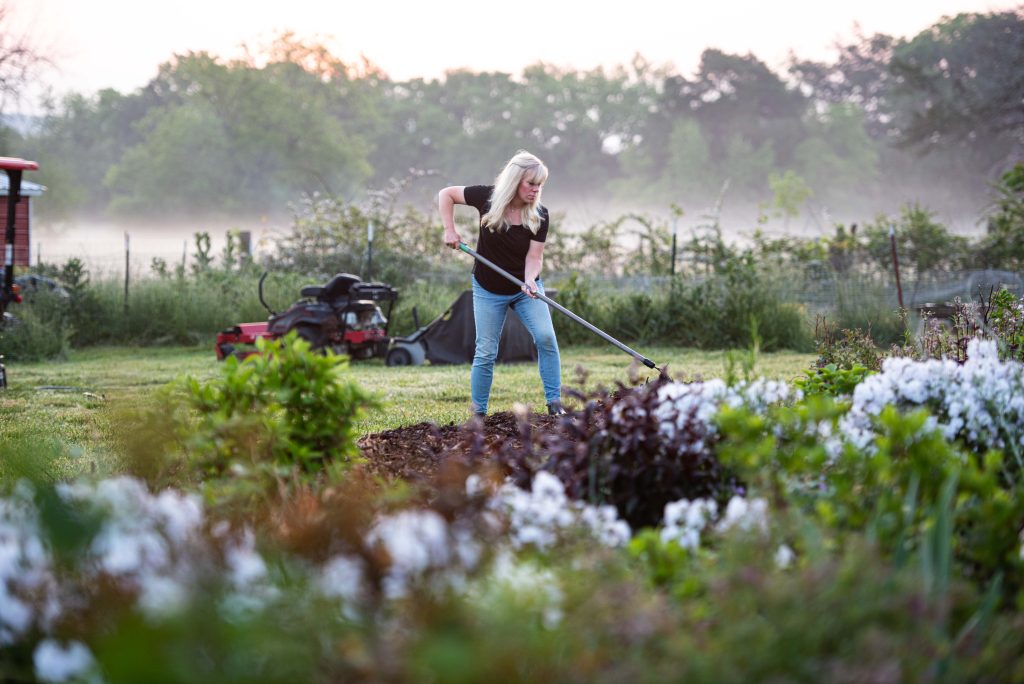
Healthy soil is a key component to healthy flowers! Remove grass and weeds, apply compost and use some type of mulch to suppress future weeds. Some gardeners prefer a no-dig method, while others till lightly.
7. Watering & Maintenance Tips
Flowers like consistent moisture but not too much! If you do not receive regular rainfall, drip irrigation or soaker hoses can help deliver water right to the roots without waste. Don’t forget regular deadheading on cut and come again flowers will promote more blooms. Staking or netting taller varieties can help prevent taller flower stems from falling over in a windy storm. I love using this heavy duty trellis netting to keep my flower stems straight.
8. Harvesting & Enjoying Your Blooms
Harvest flowers in the early morning or evening when temperatures are cooler. Always use clean snips in your florist supply kit, strip most of the foliage off and place stems in water immediately.
Use what you grow! Arrange fresh bouquets, create dried arrangements, or gift blooms to brighten someone’s day.
9. My Favorite Tools for a Productive Cut Flower Garden
Here’s a roundup of the tools I reach for again and again: Top 10 Tools I Won't Garden Without
Designing your own cut flower garden is about more than just planting seeds—it’s about creating a space that brings you joy, season after season. Whether you’re growing in a small backyard or turning your dreams into a full flower farm, I hope these tips help you get started with confidence.
Be sure to check out my full eBook on growing cut flowers from seed if you’re ready to dive deeper. And don’t forget to grab your free planning worksheet to start mapping out your own beautiful garden.
Have questions or want help with your garden design? Leave a comment below—I’d love to hear from you! Also, if you are a visual learner like I am, check out my YouTube video below on how to plant a small cutting garden!
https://youtu.be/ttg9cwLBYzU