The Blooming Joy Journal
Planning Your 2025 Cut Flower Garden

Planning the 2025 Cut Flower Garden: A Step-by-Step Guide
As we inch closer to Spring, it's the perfect time to start planning your cut flower garden for a season filled with vibrant blooms and abundant harvests. It can feel pretty intimidating starting a cut flower garden because there is so much to know. We ALL start at ground zero- a completely new plant parent! I want to encourage you that you CAN do this and look at everything as a learning experience. Whether you’re a seasoned grower or just starting out, careful planning ensures you’ll have flowers blooming all season long for stunning arrangements. Some flowers love heat and do not tolerate cold at all while other flowers thrive in cooler temperatures. It's important to begin to learn what each flower loves. From choosing the right varieties to mapping out planting schedules, here’s a step-by-step guide to creating a successful cut flower garden this year.
Disclaimer: This blog contains affiliate links which. means I make a small commission when you purchase through them at no additional cost to you. I appreciate your support!
Free Beginner Cut Flower GuideBefore we dig in, if you are new on this cut flower growing journey, I've written an in-depth free beginners Cut Flower Growing E-book with a garden layout design and printable pages to help you keep track of your seeding starting schedule and flower harvest beauty. This is a great addition to download and put in your garden journal!
1. Set Your Goals for the Season
Before you start selecting seeds, take a moment to define your goals. Are you growing flowers for personal enjoyment, floral arrangements, or even for selling at markets? Knowing your purpose will help you determine which flowers to prioritize and how much space to allocate.
Consider the following questions when setting your goals:
Do you want a continuous supply of fresh flowers for your home? Choose a mix of long-lasting cut and come again prolific bloomers.
Are you planning to sell bouquets at a farmers’ market or florist shop? Focus on high-demand varieties with a good vase life and doesn't survive shipping well.
Will you incorporate flowers into other gardening areas, like vegetables or pollinator gardens? This can help with space planning and companion planting.
- How much time do you want to invest in seed starting? Some flowers do great direct sown in the garden while others do better started in a more controlled environment indoors and grown under lights for a period of time before transplanting outdoors.
How much time do you have for maintenance? Some flowers require more care than others, so factor in weeding, watering, plant care and harvesting time.
Defining your goals early on will streamline the planning process and set you up for a successful and fulfilling flower-growing season.
2. Plan Your Garden Layout
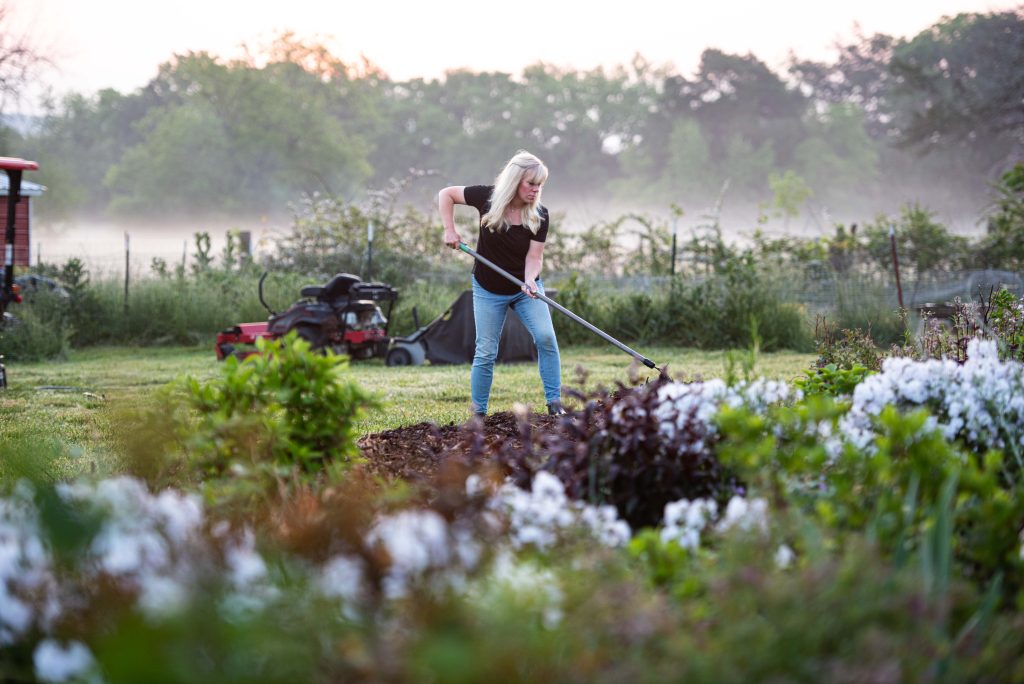
Mapping out your garden is crucial for maximizing space and plant health. What type of growing area do you have? Here are some things to consider:
- Sun Requirements: Is your growing area full sun all day, part shade some of the day or shade all day? This is important to know because a large majority of cut flowers grow best in full sun all day. Most cut flowers need at least 6-8 hours of direct sunlight.
- Planting Area: Do you have ground to plant in or will you be utilizing containers to grow cut flowers? This is important to know when considering how tall a cut flower may get. A cut flower that grows 5ft. tall will have an easier time growing in ground verse a container. If container growing, consider choosing shorter varieties such as 12" to 24" tall. Note: Container means a large pot or trough, something that could tip over if the plant got too heavy. Taller varieties of cut flowers do great in wooden raised beds.
- Spacing: Proper spacing of plants will help prevent disease and promotes airflow. Knowing how large your garden space is will help you determine the number of plants you can plant.
Companion Planting: Certain flowers, herbs and vegetables can really benefit from being grown near each others. Have a vegetable garden planned? Research what flowers you can grow near those plants to help bring pollinators and deter pests naturally.

3. Determine your First and Last Frost Dates
Now that you know the characteristics and what type of growing space you are working with, let's determine when to plant certain plants. It is important to know when your typical first frost date and last frost date is for your growing area. Why is this important? It will help you determine when to plant certain cut flower varieties (this also applies to vegetables!).
If you need help determining your frost dates, visit this website and enter in your city and state to determine this information.
Example of Why Frost Dates are Important
Let's take Zinnias for example. Here are some key facts:
- Zinnias do not tolerate frosts or freezes. When I determine that my typical last frost date for my area is around April 15th, I know to plant Zinnias after this date. Personally, I like to wait about 2 weeks after my typical last frost date to plant Zinnias because they ground has warmed up a bit. Planting Zinnias when it is still too cool should stunt their growth. Of course, look at your weather forecast before planting Zinnias to make sure no late frosts or freezes are coming.
- Zinnias take about 70 days to bloom from planting the seed to when they come into bloom. Knowing my typical first frost date is about October 15th, I can count backwards 70 days to see my very last chance I have to plant them. In really though, you need more than 70 days because you want to A.) Have several weeks of blooms before a frost comes and B.) Daylight hours decrease as we move into fall so the plants will take longer to mature. Knowing all of this, my last planting of Zinnias is early July.
4. Choose the Best Cut Flower Varieties for You
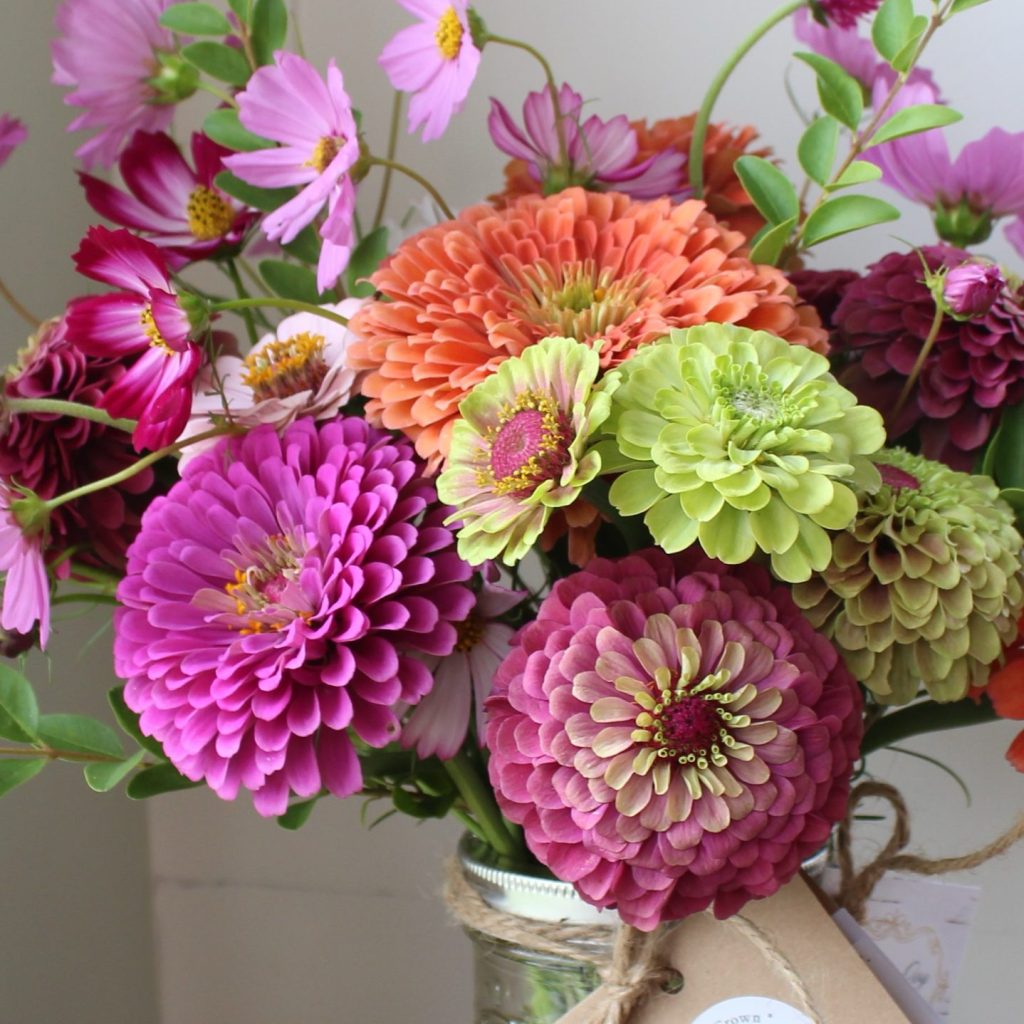
Selecting the right flowers is key to a productive garden. Here are some top choices for 2025 Summer Cut Flower Garden:
- Cut and Come Again Blooms: Zinnias, Cosmos, Celosia, Marigolds-get tall varieties.
- Focal Flowers: Dahlias and Sunflowers
- Foliage: Flowering Basil
Note: The flowers linked above take you to the Botanical Interests website, which is a seed company I love and been using for years! Use my discount code BLOOMINGJOY for 5% off your orders!
5. Start Seeds at the Right Time
Timing is everything when it comes to cut flower gardening. Determine whether each flower is best started indoors or direct-seeded. Seed packet information will tell you in some cases. For early blooms, begin cool-season flowers indoors in late winter, while heat-loving varieties like Zinnias and Celosia can be direct-seeded after the last frost.
I've written an E-book of my monthly seed starting schedule (whether transplant or direct sown) for 20 popular cut flowers to grow. If interested, see below more info about the E-book.
Cut Flower Seed Starting Schedule E-book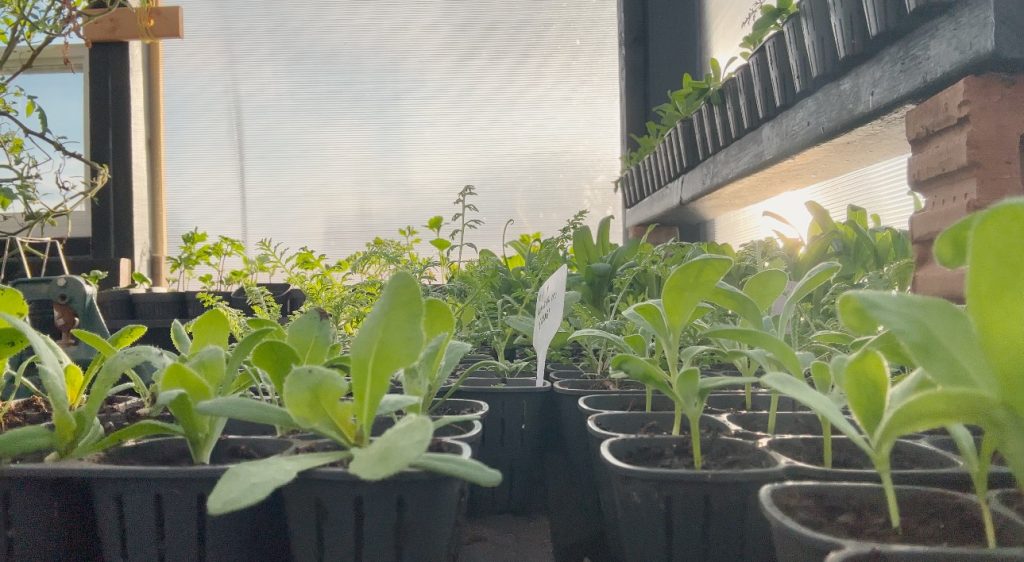
6. Determine What Type of Planting Beds You Will Have
There are multiple ways to build a garden bed. Here are some ways a garden bed can be built:
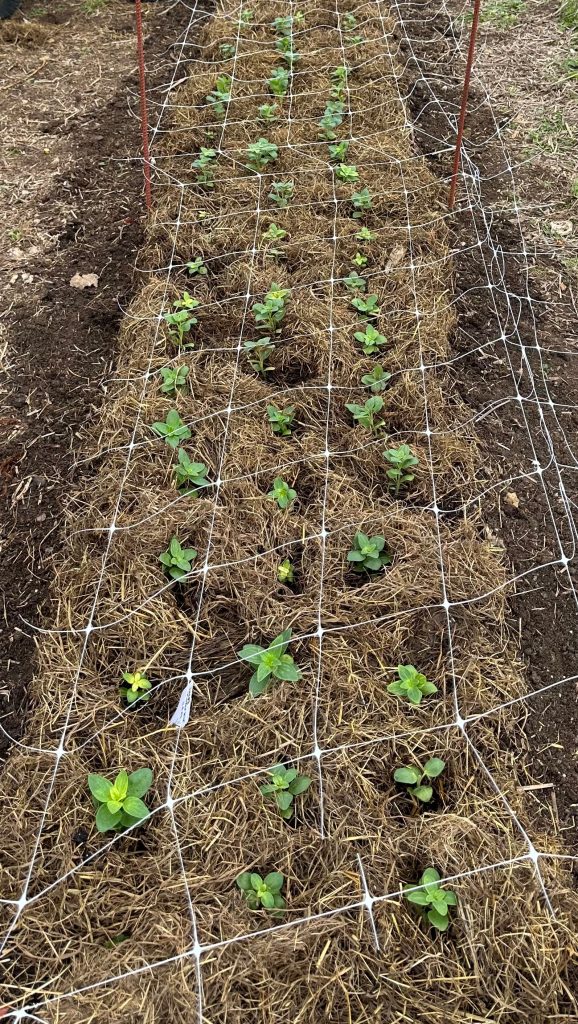
- No-Till approach: The no-till practice is a growing method that aims to disturb soil as little as possible. One way to build a no-till bed is by placing thick laters of cardboard onto of grass, adding fresh compost and planting seeds and transplants directly into that.
- Tilling approach: The use of tractor tillers or walk behind tillers is a way to loosed the ground to making planting in easier. One downside to this approach is grass is propagated into many pieces and can be a headache in your beds later in the season.
- Raised Bed approach: A raised bed is a garden bed that is built above soil level. Commonly, it is built with wooden sides.
- Container Growing: Container growing is the practice of growing plants in containers like pots, boxes, or tubs instead of in the ground.
Once you've establish what type of planting bed you will be growing in, it's time to do something very important!
Prepare Your Soil for Success
Healthy soil is the foundation of a thriving flower garden. Before planting:
- Test your soil to check pH and nutrient levels. This can sound really intimidating to some and it is important to know what type of soil you are dealing with. If you are too intimidated to do this step, just add compost to your new bed and see how your season goes. Continuing to add organic matter to soil over the years will help it become a thriving environment for your plants to grow.
- Amend with compost for added organic matter and fertility. Your local garden center should be able to recommend good compost options for you.
- Determine how you will mulch your beds to keep weed suppression down and retain moisture through out the summer. Bare soil naturally wants to be covered and when we don't cover it, what does nature give us? Weeds. Well, I suppose its all a matter of how you look at it! I use a variety of things as mulch: well aged hay and straw, wood chips and utilizing living mulch such as salad greens.
7. Implement Succession Planting for Continuous Blooms
To keep your garden productive all season, practice succession planting. Sow new batches of flowers every few weeks, ensuring a continuous harvest rather than a single bloom period. If you would like for me to dive even further into succession planting, let me know in the comments below. One key thing to remember is sunflowers are usually one bloomers unless you are growing a branching kind so plant multiple successions of that!
In my YouTube video below, I show you how to create a small cutting garden using Zinnias, Cosmos and Sunflowers.
https://youtu.be/ttg9cwLBYzU?si=Zj1V7NKgDd3IbTuv8. Maintain and Harvest for Maximum Yield
Regular maintenance keeps your cut flower garden flourishing. Stay on top of:
- Watering deeply and weekly. If you are blessed to get regular rain, that's all it needs.
- Fertilizing with organic feeds to promote strong growth. I'll be honest- I fertilize my indoor seedlings but once they are planted in the rich and nutritious compost, I am usually not fertilizing any further.
- Deadheading spent blooms to encourage continuous flowering.
Harvesting flowers at the right stage to maximize vase life. This can be a completely separate topic on its own but I encourage you to research harvest stages of all the flowers you grow. There are plenty of videos online these days of flower farmers and gardeners showing harvest stages.
9. Enjoy and Share Your Blooms!
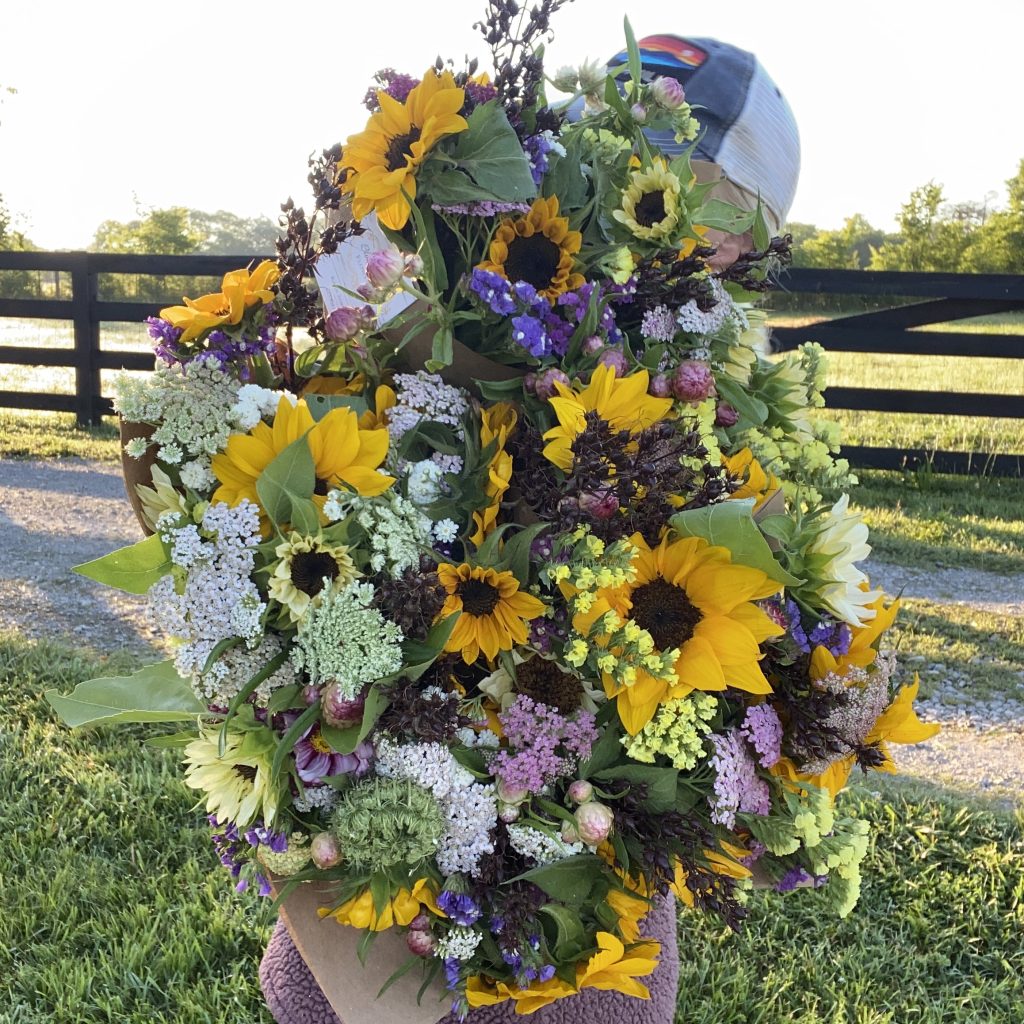
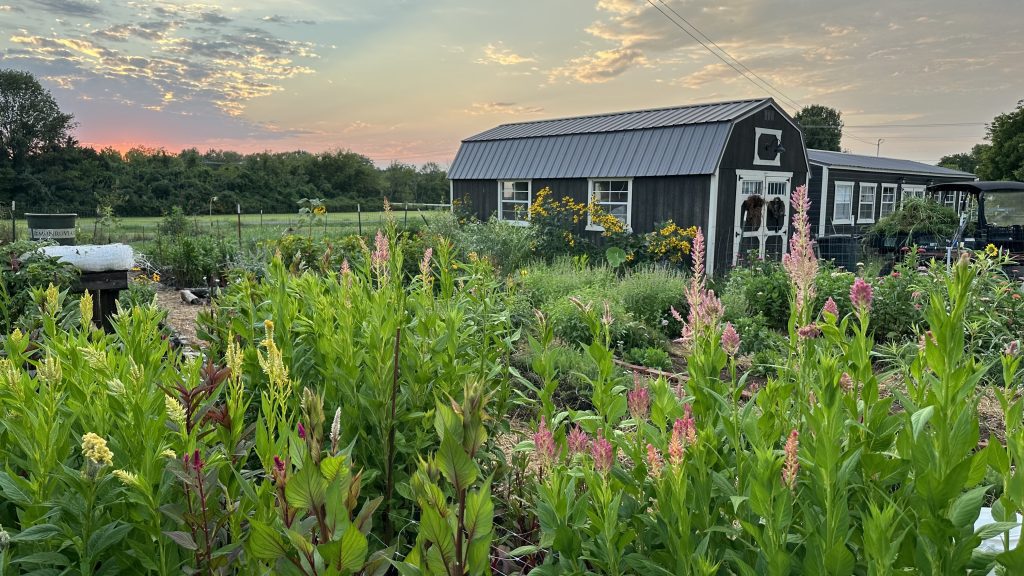
Once your flowers are in full bloom, it’s time to create beautiful arrangements or share them with others! Whether you’re designing bouquets for your home, gifting to friends, or selling at markets, the joy of growing cut flowers is truly rewarding.
By planning ahead and following these steps, you’ll set yourself up for a successful and abundant 2025 cut flower season.
If you would like even more information, download my free Beginner's Cut Flower Garden Workbook with great first seeds to sow, a planting diagram and journal pages to help you keep track of your cut flower garden!
Beginners Cut Flower Garden WorkbookThis may seem overwhelming and a lot of info, but you CAN DO THIS flower friend! I too once started not knowing much of anything about growing cut flowers. Now, it is my passion to help you learn the joy that cut flowers can be!
- Kara a.k.a Blooming Joy
What flowers are you most excited to grow this year? Share in the comments below and please share this blog post with a friend who would love to grow their very own cut flower garden!
Check out my Cut Flower Growing Amazon Storefront here! Facebook Pinterest Threads Email