The Blooming Joy Journal
Weathering the Storm: Essential Garden Prep for Severe Storms
How to Prepare Your Garden for Severe Thunderstorms and Tornadoes
Spring and summer bring lush growth and vibrant blooms, but they can also bring severe weather, including thunderstorms and even tornadoes. We put so much love and effort into growing out plants, and while we can’t control the weather, we can take steps to minimize damage and protect our plants.
As I am writing this blog, it is March and this weekend we are forecasted to get severe storms with possible large hail and tornados. After years of growing plants, I don't worry about them anymore. Mother Nature is in charge. What happens will happen and if I am blessed to see tomorrow, I'll plant more seeds. There are a few things I do to prep when bad weather is coming though. After experiencing storms of all kinds over the years, here is what I'm doing for the storms forecasted this weekend.
*Disclaimer: In this blog post I link to needed items I use to protect my plants. This post contains affiliate links so I may receive compensation if you purchase products linked to below. As an Amazon Associate, I can earn from qualifying purchases.*
Facebook PinterestProtecting the Plants
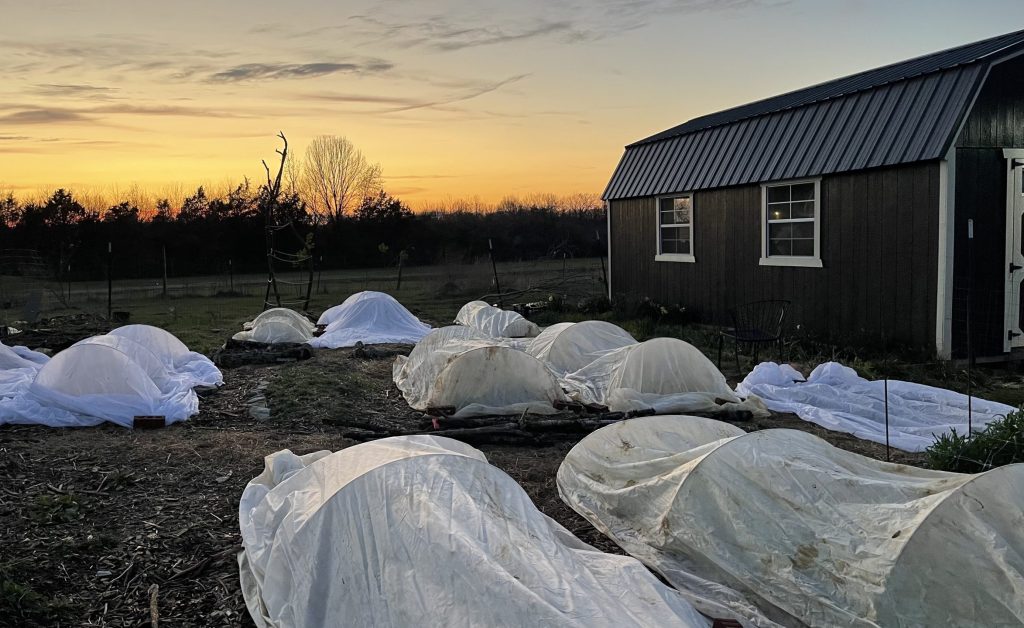
- Remove all frost cloth: With the impending possible large hail coming, it seems like it would make more sense to keep the plants covered. I totally get that logic but I remove the frost cloth and here is why: it's just gonna blow right off! It's not much thicker than tissue paper so any strong wind will get ahold of it, blow up like a balloon and fly right off. I don't want the frost cloth flying around my flower field because it could land on other plants. Picture your Snapdragons with a big ball of frost cloth on top of them and add in heavy rain to the mix. It will crush the plants. I also want my frost cloth to stay dry incase a freeze in coming in a few days.
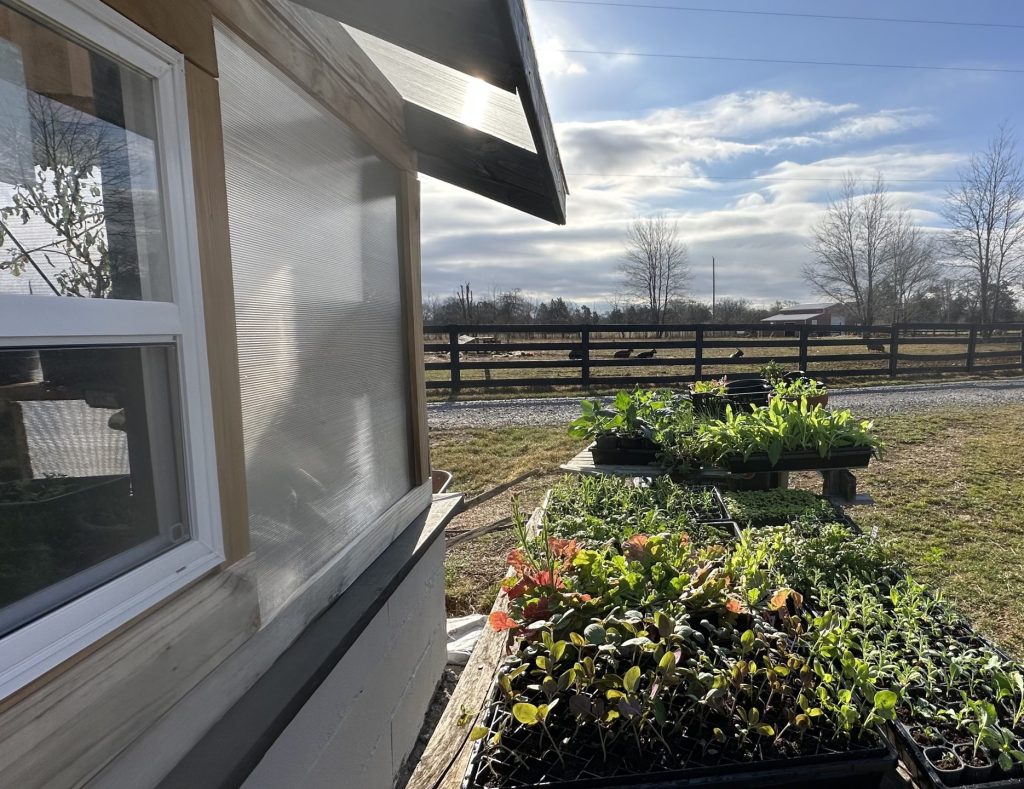
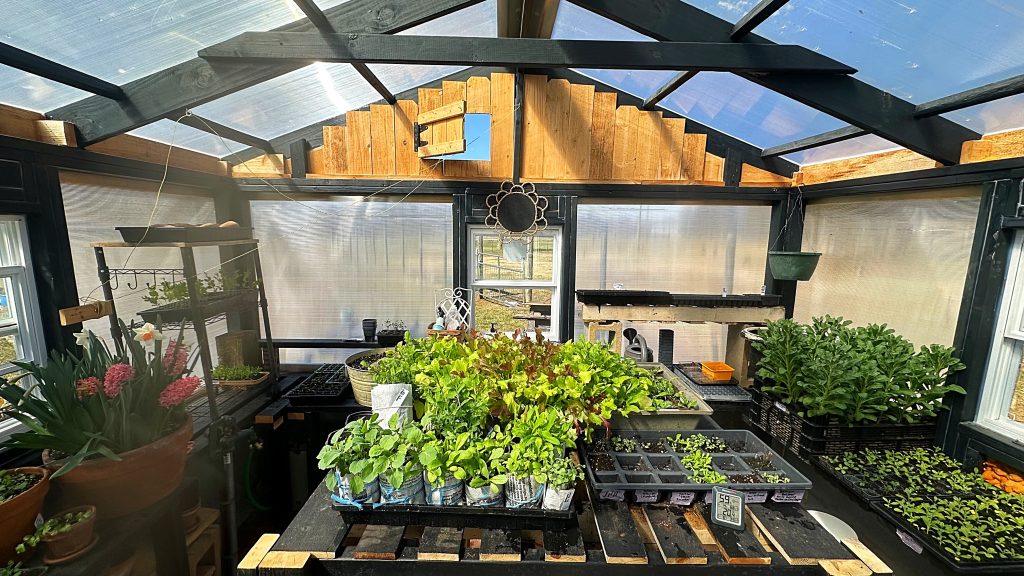
2. Bring all Seedlings/Transplants Indoors: Right now in March I am in the thick of hardening off transplants for Spring flowers and vegetables. Since they are smaller plants and often in plastic trays/cells, there isn't much weight to them. I fear they would blow away in a good wind gust. Plus, hail could do a lot of damage to them. Mine will come back in the greenhouse and if there isn't room, in my flower studio.
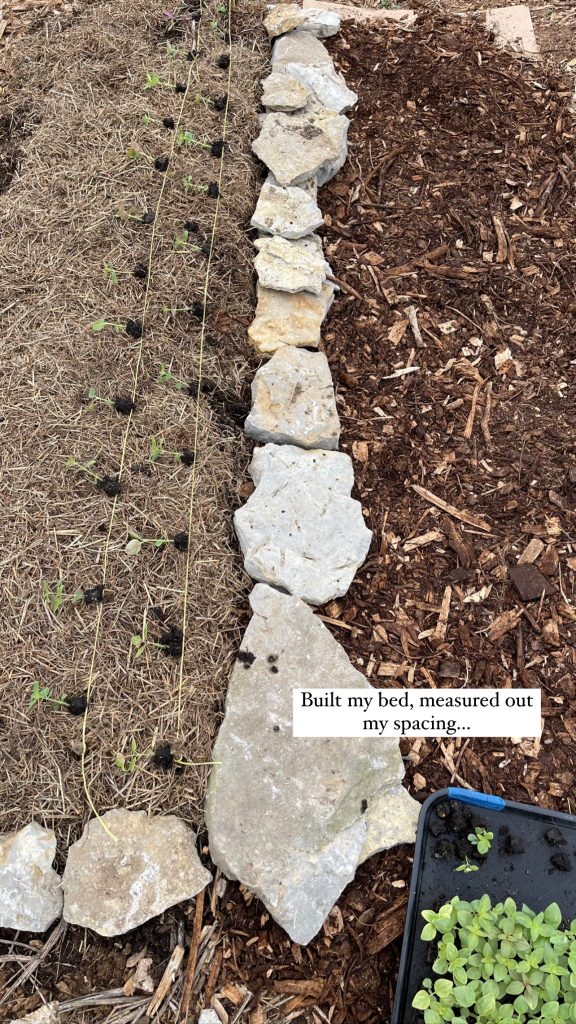
3. Mulch for Stability: A layer of mulch around the base of plants can help prevent soil erosion and root exposure from heavy rainfall. If you have built new beds recently, your bed soil level is likely higher than ground level. This is especially true if you do the 'no dig' method. Your pathways need a layer of of material for 'support' to the new bed. If your new soil bed is not supported on the sides, heavy rains can cause the soil to run off. This can mean the soil level of your new bed is lower and can leave plant roots exposed from erosion. For mulching pathways, I use wood chips or straw. For mulching my cut flower beds, I prefer to use well aged hay from our livestock pens.
4. Stake Tall Plants: Some cut flower plants get so tall that in a really good thunderstorm, the plants can get flattened. The flowers will never be the same again so I try and prevent this from happening. This is why I use hortonova netting on taller plants. You can also use twine for smaller areas. Right now in March, I don't have any cut flower or vegetable plants tall enough to need this support. I'm often asked where to buy Hortonova netting. Two good places are Johnny's Select Seeds online and I also have some linked in my Amazon Storefront.

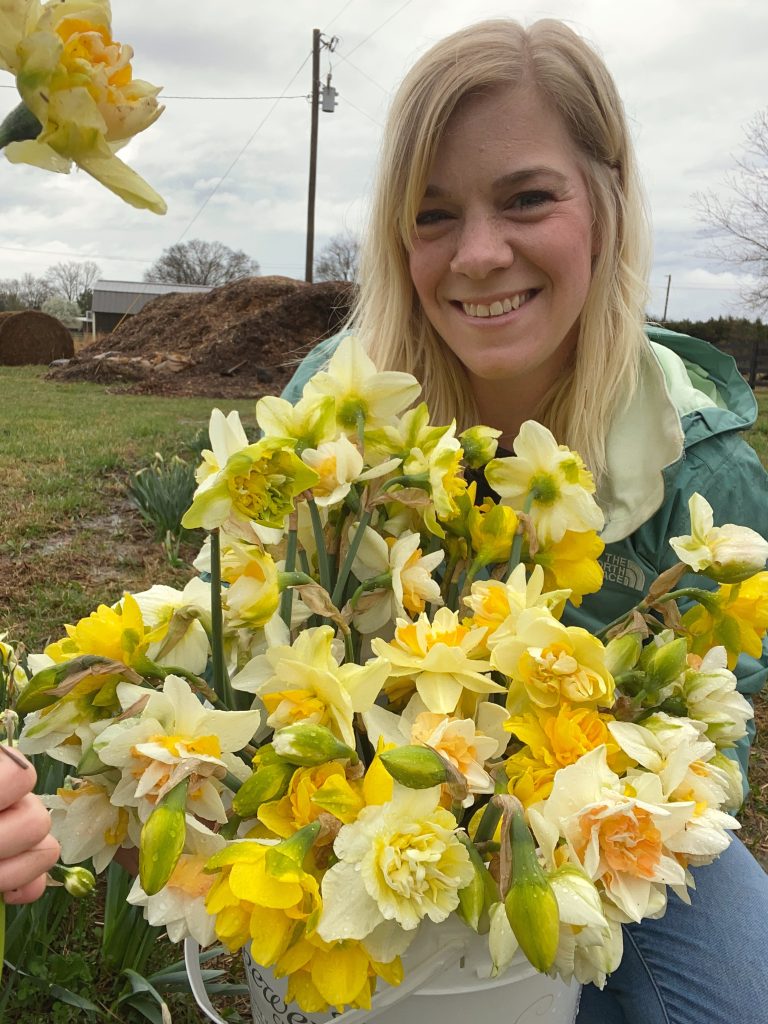
Harvest the Flowers in Bloom: If you have any flowers in bloom or at the perfect harvest stage, it is best to harvest the flowers to bring indoors. Heavy rains, strong winds and hail will cause damage to open flowers. Right now in March, there aren't too many types of flowers in bloom. If you are a daffodil collector like me, you may have a lot of those in bloom. I am harvesting as many as I can. Tulips are starting to bloom as well. I only have a handful but I will be harvesting those too. I will leave my hellebore blooms intact on the plant. They are pretty tough and offered protection by being planted under a large tree. I also like to harvest hellebore when seeds are starting to form. They last the longest as a cut flower at this stage. Currently, we have reached that stage yet so cutting them may result in wilting indoors.
Protecting the Greenhouse: Make sure doors are latched, vents and windows are closed, and additional weights or tie-downs are in place. My greenhouse doesn't need any tie downs due to how it is built (see a bit about that in this blog post).
Bring Garden Tools & Chairs Indoors: Anything left outside, like garden chairs, tools, or decorative items, can become dangerous in strong winds. I wouldn't want to lose any of my favotire garden tools to a storm either. Read more about those in this blog post.

Post-Storm Recovery
Once the storm has passed, assess your garden and take steps to help it recover:
- Check for Flood Damage – Remove standing water and check plants for root rot.
- Re-Stake or Support Plants – Gently upright any bent or toppled plants.
- Prune Damaged Foliage – Remove broken stems or leaves to help plants heal.
- Replenish Mulch & Soil – If heavy rain has washed away soil, add fresh compost or mulch to restore nutrients.

Try not to stress: I know that is easier said than done. We have spent a lot of money and time growing these plants. Knowing you will lose some to mother nature is part of the plant growing fun game though. It is sad and frustrating, I know. I always try and learn from every situation though. If I have some flowers that got flattened by wind, I know I should apply support netting next time. If my plants get clobbered by hail, are they salvagable and can be helped by a simple pruning? Perhaps I needed to do that anyways to promote more branching.
Also...we can always plant more seeds...it just may not be of the flowers you have growing. If I were to lose my whole flower field now in March to a terrible storm, I'd come up with a plan for what I could sow now. I am done sowing all of my Spring cut flowers so it's too late to be doing those. I'd turn my focus on summer cut flowers. I always have hope and look forward to the future. If you need help with setting up your first cut flower garden, check out this blog post.

Final Thoughts
Severe weather can be stressful, but a little preparation goes a long way in protecting your garden. By securing structures, staking plants, managing drainage, and having a post-storm recovery plan, you’ll give your garden the best chance to bounce back after a storm.
Do you have a go-to storm prep routine for your garden? Let me know in the comments—I’d love to hear your tips!